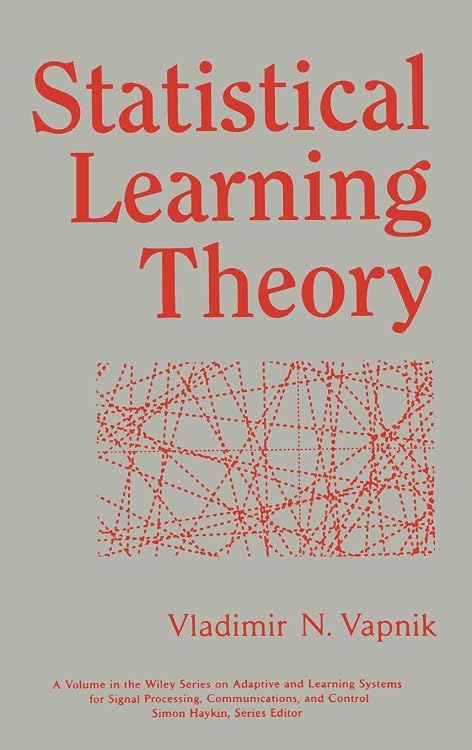
Statistical Learning Theory: 2
Statistical Learning Theory: 2 is a book on learning and generalisation theory, covering how empirical data can be used to choose functions and study learning consistency. Its 768-page length makes it a substantial reference rather than a brief introduction.
At a glance
- Discusses the theory of learning and generalisation from empirical data.
- Covers conditions for consistency of learning processes and function estimates from small data pools.
- The listing describes applications to computer science, robotics and real-life problems.
Pros and cons
Pros
- Substantial coverage across theory, consistency and data-based function estimation.
- The described computer science and robotics relevance gives the topic a clear applied context.
Cons
- At 768 pages, it is a sizeable commitment for readers seeking a short overview.
Technical specifications
9 specifications| Publisher | Wiley-Interscience |
|---|---|
| Publication date | 16 September 1998 |
| Edition | 1st |
| Language | English |
| Print length | 768 pages |
| ISBN-10 | 0471030031 |
| ISBN-13 | 978-0471030034 |
| Dimensions | 16.26 x 3.56 x 24.13 cm |
|---|---|
| Weight listed | 1.27 kg |
Who is it for?
A good fit for
- Readers studying statistical learning theory and generalisation.
- Computer science or robotics readers seeking theoretical background for learning from data.
Less suited to
- Readers after a concise beginner-level introduction or a practical workbook.
Customer reviews on Amazon
- 5 stars
72% 72% - 4 stars
16% 16% - 3 stars
0% 0% - 2 stars
0% 0% - 1 star
12% 12%
Aggregate ratings lean positive, with most ratings in the top two star categories, but a smaller one-star share indicates some readers were dissatisfied. The supplied information includes no review comments, so it does not show what readers liked or disliked. The ratings alone cannot establish whether the book's substantial theoretical scope suits a particular reader.
Frequently asked questions
What topics does this book cover?
The listing describes learning and generalisation theory, consistency conditions, function estimates from small data pools, and applications to real-life problems.
How long is the book?
The listed print length is 768 pages, so it is a substantial text rather than a short introduction.
What language and edition is listed?
The details list an English-language first edition published on 16 September 1998.
Alternative options
The Nature of Statistical Learning Theory
$126.21
Foundations of Machine Learning, second edition
$137.74
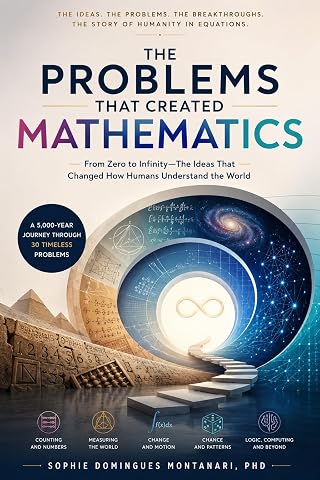
THE PROBLEMS THAT CREATED MATHEMATICS: From Zero to Infinity—The Ideas That Changed How Humans Understand the World (Cutting-Edge Sciences)
$15.99
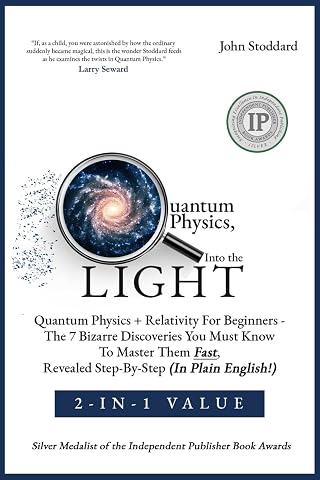
Quantum Physics, Into The Light 2-In-1 Value: Quantum Physics + Relativity For Beginners: The 7 Bizarre Discoveries You Must Know To Master Them Fast, Revealed Step-By-Step (In Plain English)
$32.85
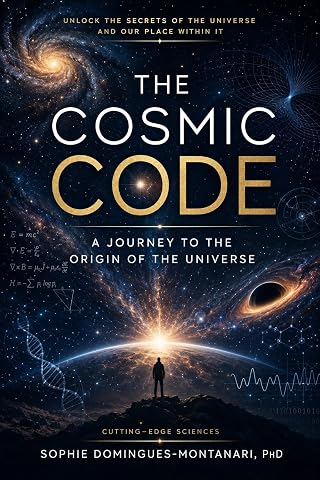
THE COSMIC CODE: A Journey to the Origin of the Universe (Cutting-Edge Sciences)
$15.99
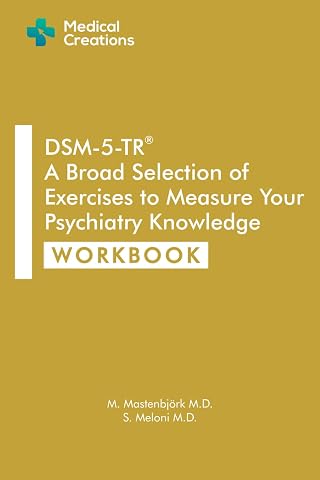
DSM-5-TR: A Broad Selection of Exercises to Measure Your Psychiatry Knowledge: Workbook
$32.86

Must Know Sight Words and Spelling Workbook for Kids: Learn to Write and Spell for Kindergarten, 1st and 2nd Grade, Age 5,6,7,8: Reading, Phonics Activities and Worksheets
$16.49
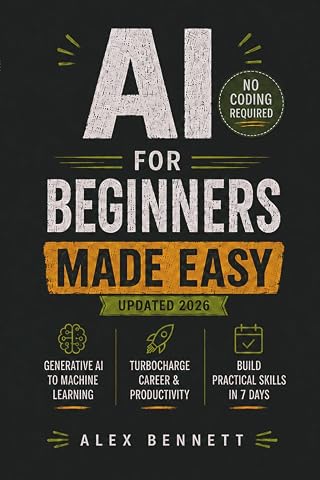
AI for Beginners Made Easy: Master Artificial Intelligence from Generative AI to Machine Learning - Turbocharge Your Career & Productivity With Interactive Exercises in 7 Days or Less
$21.99
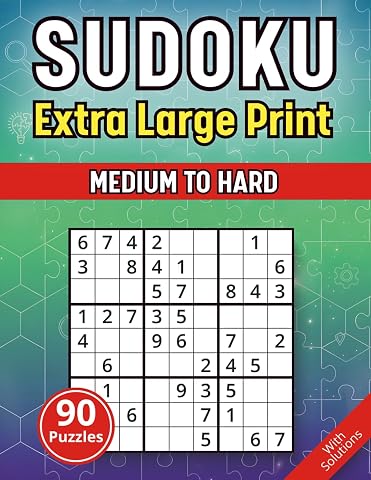
Extra Large Print Sudoku – Medium To Hard: Jumbo Sudoku Book For Adults And Seniors | 90 Mixed Level Games With Very Big And Bold Letters (30 Font Size) | Easy To See Puzzles With Solutions
$16.49