 1 / 4
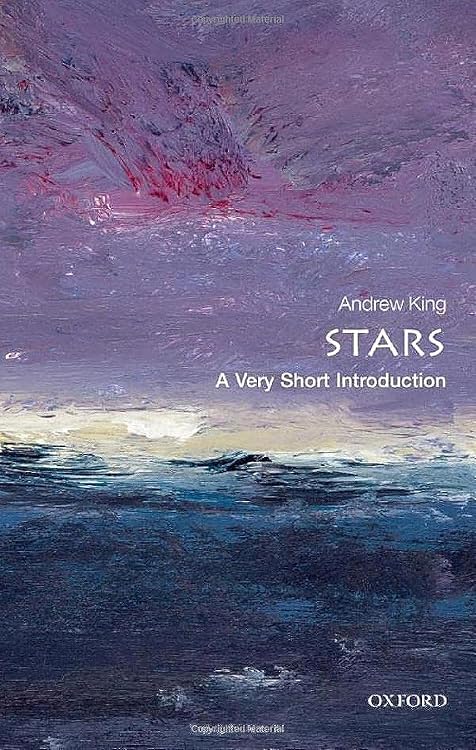
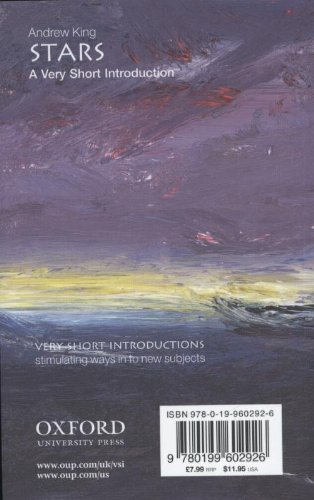
Stars: A Very Short Introduction by Andrew King
Stars: A Very Short Introduction by Andrew King explains how stars form, shine and end, and how their life cycles connect to the elements, galaxies and the history of the Universe. The listing describes a concise, non-mathematical introduction, though customer feedback is mixed on readability.
At a glance
- Covers how stars form, produce chemical elements beyond helium, shine and die.
- Connects stars with galaxies, planets and the history of the Universe.
- The listing characterises the explanation as non-mathematical.
Often bought together
Pros and cons
Pros
- A focused 144-page introduction to stellar formation and life cycles.
- The subject is linked to broader questions about galaxies, elements and the Universe.
- Customer feedback reports that some readers found it useful for introductory astronomy courses.
Technical specifications
9 specifications| Publisher | Oxford University Press UK |
|---|---|
| Publication date | 26 September 2012 |
| Edition | 1st |
| Language | English |
| Print length | 144 pages |
| ISBN-10 | 0199602921 |
| ISBN-13 | 978-0199602926 |
| Weight listed | 113 g |
|---|---|
| Dimensions | 0.51 x 11.18 x 17.02 cm |
Who is it for?
A good fit for
- Readers seeking a short introduction to stellar science and evolution.
- Learners interested in astronomy who want an account described as non-mathematical.
Less suited to
- Readers who need an advanced mathematical treatment of astrophysics.
- Readers who require uniformly easy reading, as customer feedback on readability is mixed.
Customer reviews on Amazon
- 5 stars
73% 73% - 4 stars
22% 22% - 3 stars
3% 3% - 2 stars
1% 1% - 1 star
1% 1%
Customer feedback highlights the book’s explanations of star formation and life cycles, its writing style and suitability for varied readers. Some readers describe it as easy to read, while others find it difficult to follow. In practical terms, the concise, non-mathematical presentation may suit introductory study, but readers should not assume the style will feel accessible to everyone.
Positive themes
- Readers describe it as a useful introduction to stars and their life cycles.
- Feedback praises the writing style and reports suitability for different audiences.
Mixed feedback
- Readability feedback is mixed, with reports ranging from easy to follow to incomprehensible.
Frequently asked questions
What topics does the book cover?
The listing says it covers how stars form, shine and produce chemical elements beyond helium, and how they die, including possible remnants such as black holes.
Is the book mathematical?
The listing describes its explanation as non-mathematical. It does not specify the level of technical detail beyond that.
How long is the book?
The listed print length is 144 pages.
Is it suitable for a first astronomy course?
Customer feedback mentions usefulness for first astronomy courses, but readers' experiences of readability differ.
Alternative options
Astrobiology: A Very Short Introduction
$21.95
Aristotle: A Very Short Introduction: 32
$21.20
Quantum Theory: A Very Short Introduction: 69
$19.75
Physics: A Very Short Introduction
$21.95
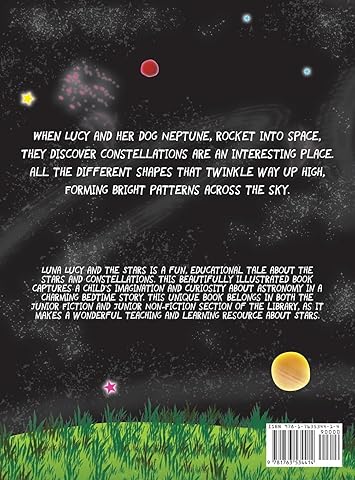
Luna Lucy and the Stars
$36.09
Luna Lucy Astronomy Colouring and Activity Book
$14.29
Luna Lucy and the Planets: 2
$18.69
Saturn the Ring King: A Funny Solar System Book for Kids about the Planet Saturn and Its Moons
$23.09
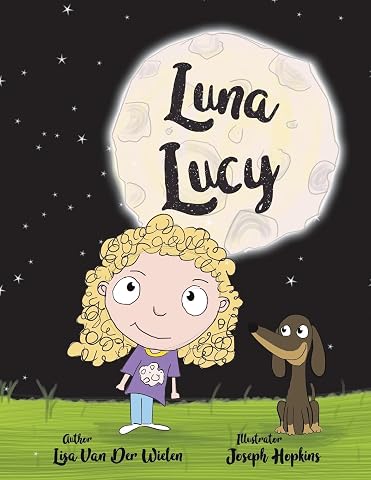
Luna Lucy: 1
$17.59
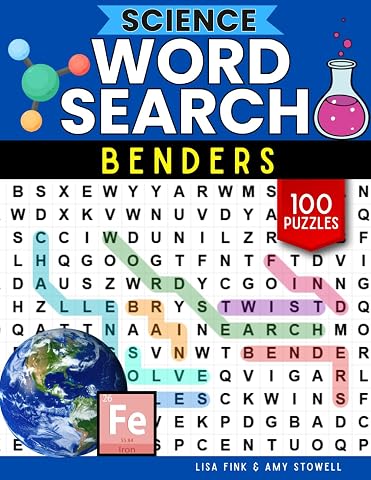
Science Word Benders Word Search Puzzles, 100 Word Find Games, Word Seek Puzzle Book: Science Fun For Kids, Teens, Adults and Senior Citizens Ages 8-100
$19.92
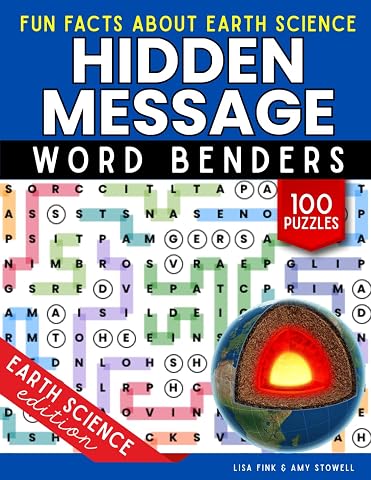
Earth Science Hidden Message Word Search Puzzles, 100 Word Find Games, Reveal Fun Facts about Science: Word Benders Puzzle Games for Kids, Teens and ... Cycle, Volcanoes, Rocks, Rainbows and more
$19.95