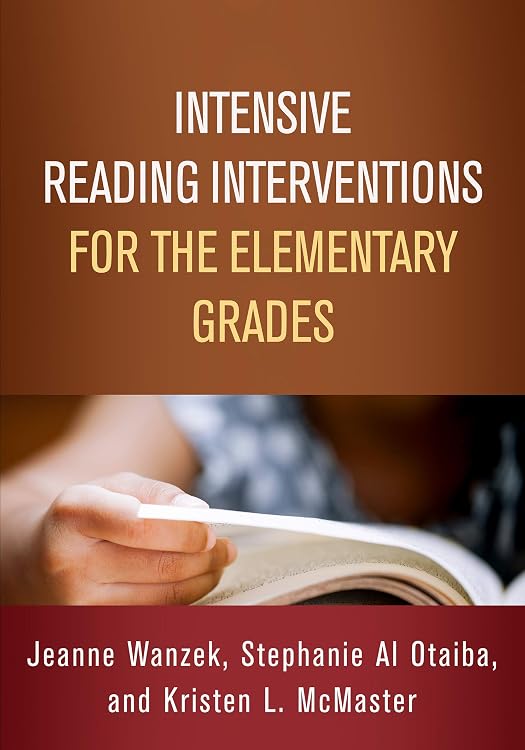
Intensive Reading Interventions for the Elementary Grades
Intensive Reading Interventions for the Elementary Grades is a practical guide to supporting K–5 students with severe and persistent reading difficulties. It covers core reading areas and describes data-based ways to tailor instruction and monitor progress.
At a glance
- Addresses phonological awareness, phonics and word recognition, reading fluency, oral language, comprehension and writing to read.
- Explains ways to intensify instruction when students continue to struggle.
- Includes recommendations for identifying individual needs and monitoring progress.
Often bought together
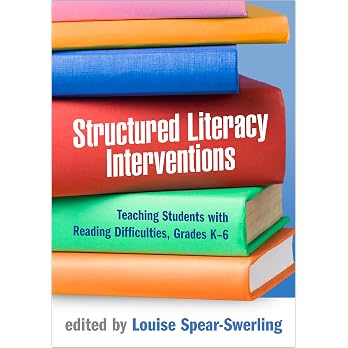
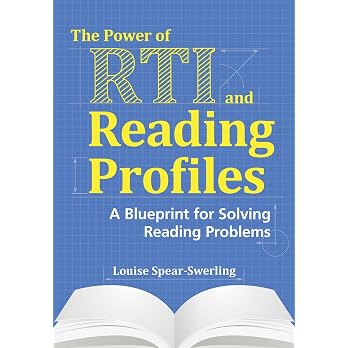
Pros and cons
Pros
- Covers multiple foundational reading and comprehension areas in one practitioner-focused reference.
- Connects intervention planning with data-based individualisation and progress monitoring.
- Includes teaching techniques and activities, as well as guidance on designing and implementing instruction.
Technical specifications
8 specifications| Publisher | THE GUILFORD PRESS |
|---|---|
| Publication date | 14 December 2019 |
| Language | English |
| Print length | 184 pages |
| ISBN-10 | 1462541119 |
| ISBN-13 | 978-1462541119 |
| Dimensions | 17.78 x 1.03 x 25.4 cm |
|---|---|
| Weight listed | 358 g |
What to know before buying
- The described guidance targets K–5 students with severe and persistent reading difficulties, so it is more specialised than a general reading-instruction overview.
Who is it for?
A good fit for
- Teachers and interventionists supporting elementary students with persistent reading difficulties.
- Educators seeking a structured reference for adapting instruction and monitoring student progress.
- Literacy teams looking for guidance across phonics, fluency, oral language and comprehension.
Less suited to
- Readers seeking a general-interest book or a resource aimed primarily at secondary grades.
Frequently asked questions
Who is this book intended for?
The book describes intensive interventions for K–5 students with severe and persistent reading difficulties, making it relevant to educators who support those learners.
Which reading areas does it cover?
Topics include phonological awareness, phonics and word recognition, fluency, oral language, language and reading comprehension, and writing to read.
Does it discuss monitoring progress?
Yes. The description says it offers recommendations for identifying students' needs and monitoring their progress, grounded in data-based individualisation.
Alternative options
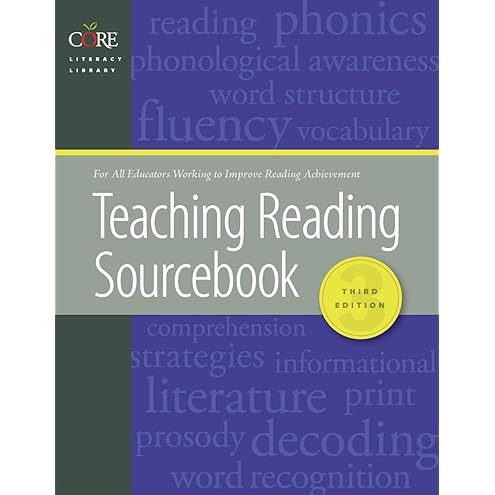
Teaching Reading Sourcebook 3/e
$152.60
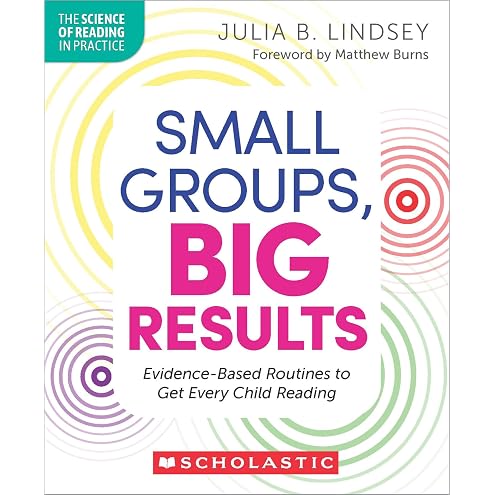
Small Groups, Big Results: Evidence-Based Routines to Get Every Child Reading
$48.17
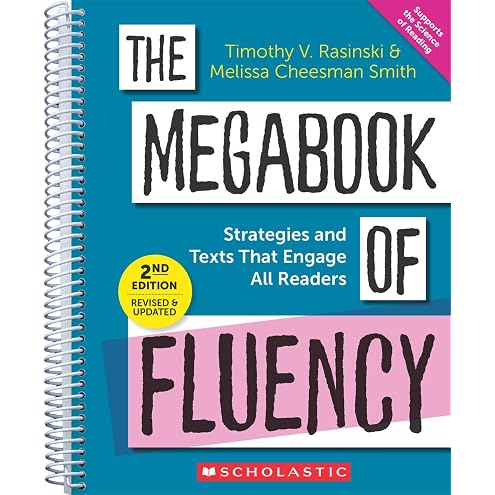
The Megabook of Fluency, 2nd Edition: Strategies and Texts to Engage All Readers
$61.30
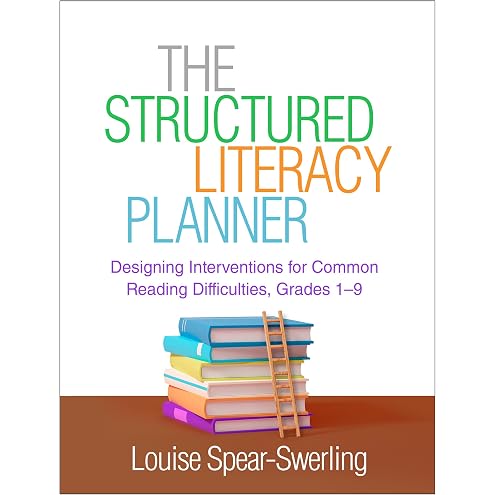
The Structured Literacy Planner: Designing Interventions for Common Reading Difficulties, Grades 1-9
$72.12
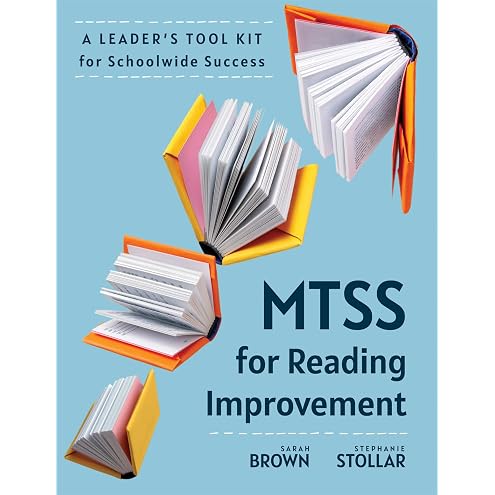
Mtss for Reading Improvement: A Leader's Tool Kit for Schoolwide Success (Reading Science in Action: An Mtss Tool Kit)
$63.47