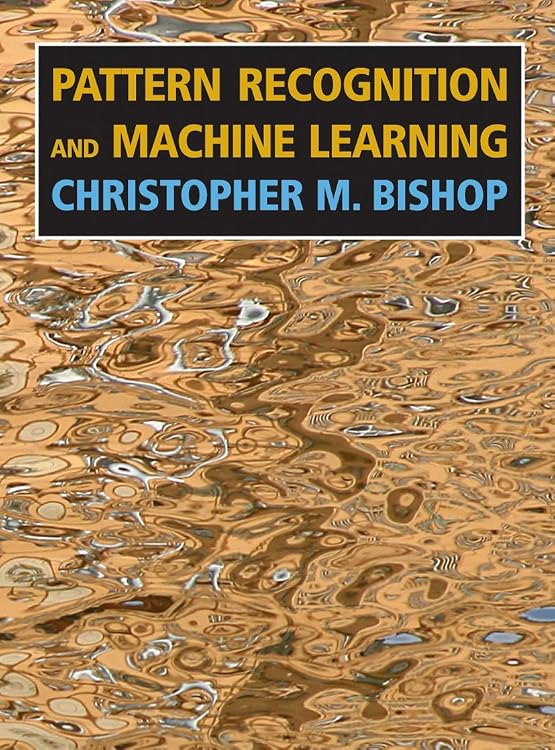
Pattern Recognition and Machine Learning
Pattern Recognition and Machine Learning is an advanced textbook introducing both fields through probabilistic models, Bayesian methods, graphical models and kernel-based approaches. It is aimed at advanced undergraduates, early PhD students, researchers and practitioners, and assumes multivariate calculus and basic linear algebra.
At a glance
- Connects pattern recognition and machine learning through probabilistic modelling.
- Covers Bayesian methods, graphical models, approximate inference and kernel-based models.
- Includes an introduction to basic probability theory, while expecting calculus and linear algebra familiarity.
Often bought together

Pros and cons
Pros
- Broad coverage suited to readers seeking a substantial reference across pattern recognition and machine learning.
- Customer feedback praises the comprehensive content, clear presentation of fundamental algorithms and print quality.
Cons
- The 798-page textbook and assumed calculus and linear algebra make it a demanding choice for readers seeking a short or maths-free introduction.
Technical specifications
9 specifications| Publisher | Springer |
|---|---|
| Publication date | 17 August 2006 |
| Edition | 2006. Corr. 2nd Printing 2011 ed. |
| Language | English |
| Print length | 798 pages |
| ISBN-10 | 0387310738 |
| ISBN-13 | 978-0387310732 |
| Weight | 1.05 kg |
|---|---|
| Dimensions | 19.56 x 3.3 x 25.91 cm |
What to know before buying
- The publisher's description targets advanced undergraduates, first-year PhD students, researchers and practitioners. It assumes multivariate calculus and basic linear algebra. Some familiarity with probability is helpful but not essential.
Who is it for?
A good fit for
- Advanced undergraduates and early PhD students studying machine learning or pattern recognition.
- Researchers and practitioners looking for an in-depth textbook on probabilistic methods and related models.
- Readers comfortable with multivariate calculus and basic linear algebra.
Less suited to
- Readers seeking a brief, introductory overview or a maths-free guide.
- Readers who need a current practical programming workbook. The supplied description focuses on theoretical methods and dates to 2006.
Customer reviews on Amazon
- 5 stars
79% 79% - 4 stars
12% 12% - 3 stars
5% 5% - 2 stars
1% 1% - 1 star
3% 3%
Customer feedback describes the book as a comprehensive introduction and praises its presentation of fundamental algorithms, print quality and colour pages. Readability and writing style receive mixed comments, and some customers report pages out of order. The positive overall rating distribution is encouraging, but it does not resolve those specific concerns. For a long textbook used for study or reference, clear explanations and reliable page organisation both matter.
Positive themes
- Customers praise the breadth of the content and presentation of fundamental algorithms.
- Customers appreciate the print quality and colour pages.
Negative themes
- Some customers report problems with page organisation, including pages being out of order.
Mixed feedback
- Feedback on readability and writing style is mixed, with some finding the book well written and others disliking the style.
Frequently asked questions
Who is this book intended for?
The supplied description names advanced undergraduates, first-year PhD students, researchers and practitioners.
What mathematical background is useful?
Multivariate calculus and basic linear algebra are required. Familiarity with probability is helpful but not essential because the book includes an introduction to basic probability theory.
What topics does it cover?
Its description highlights probabilistic models, Bayesian methods, graphical models, approximate inference algorithms and kernel-based models.
Is it a practical programming guide?
The supplied description presents it as a textbook on methods and models, not as a programming workbook.
Alternative options
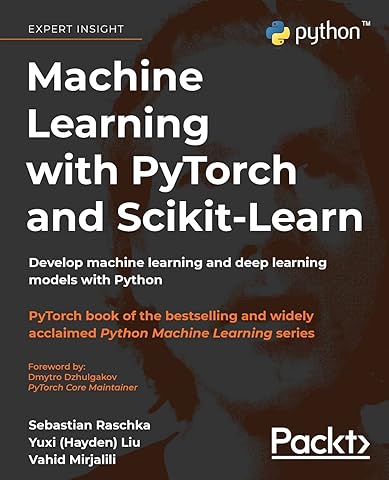
Machine Learning with PyTorch and Scikit-Learn: Develop machine learning and deep learning models with Python
$75.99
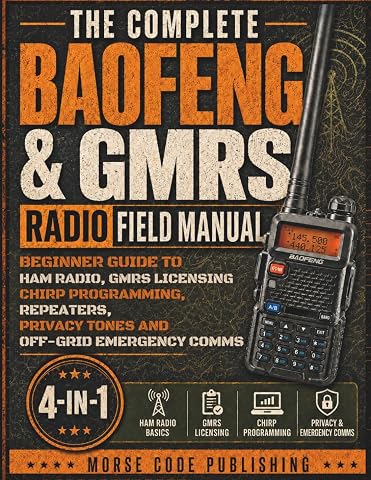
The Complete Baofeng & GMRS Radio Field Manual: Beginner Guide to Ham Radio, GMRS Licensing, CHIRP Programming, Repeaters, Privacy Tones, and Off-Grid Emergency Comms
$39.59
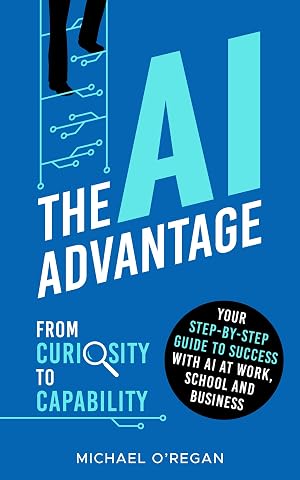
The AI Advantage: From Curiosity to Capability
$8.99
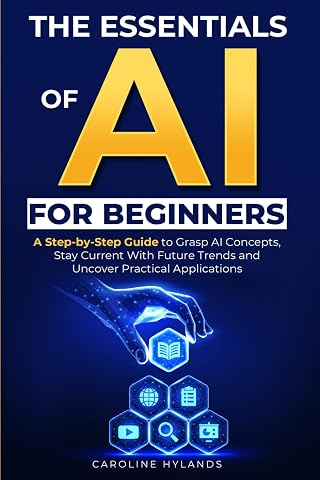
The Essentials of AI for Beginners: A Step-by-Step Guide to Grasp AI Concepts, Stay Current With Future Trends and Uncover Practical Applications
$21.99
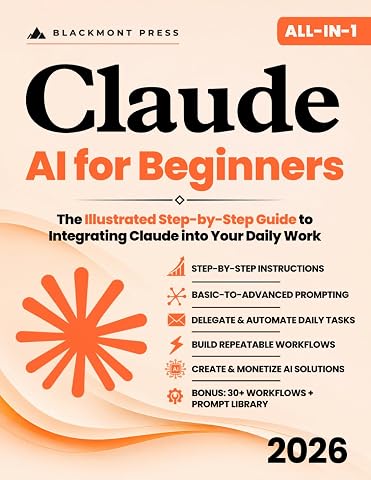
Claude AI for Beginners [All-in-1]: The Illustrated Step-by-Step Guide to Integrating Claude into Your Daily Work. Delegate & Automate Recurring Tasks, Build Workflows & Save Tons of Time Every Week
$31.35
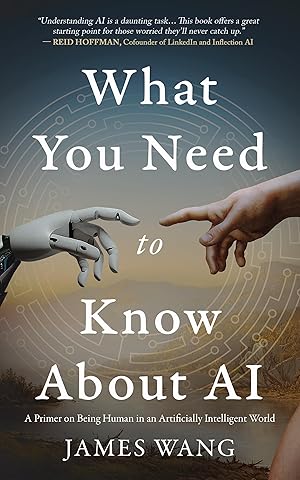
What You Need to Know About AI: A Primer on Being Human in an Artificially Intelligent World
$15.99
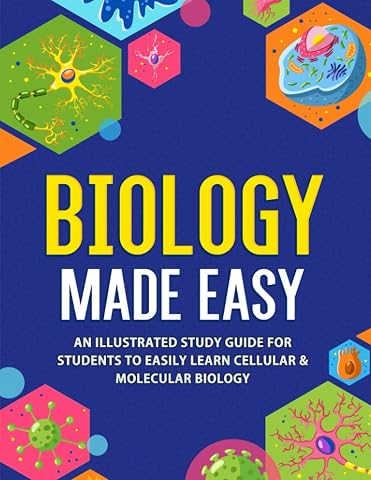
Biology Made Easy: An Illustrated Study Guide For Students To Easily Learn Cellular & Molecular Biology
$23.42

Ancient History for Beginners: The Ultimate 3-in-1 Guide to Egypt, Greece, and Rome, Major Events, and Key Figures That Shaped the Classical World
$45.23
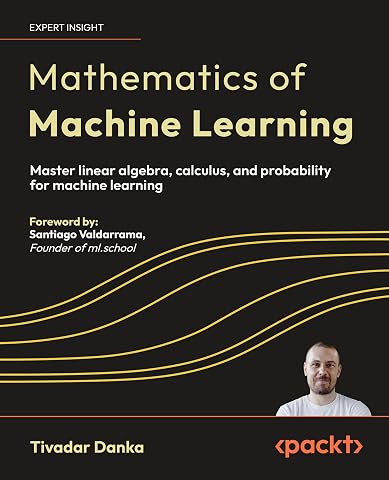
Mathematics of Machine Learning: Master linear algebra, calculus, and probability for machine learning
$82.99