 1 / 3
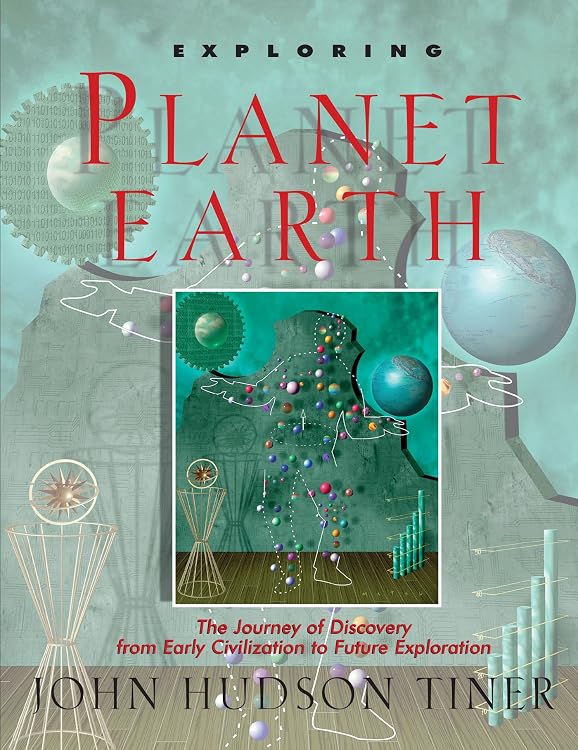
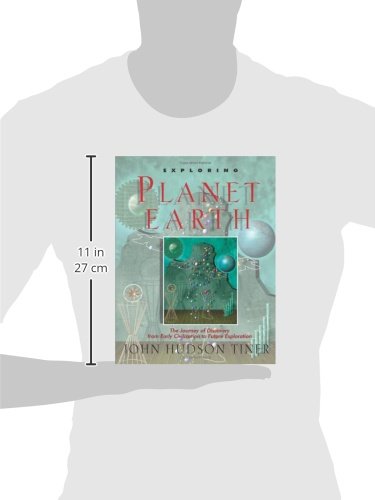
Exploring Planet Earth: The Journey of Discovery from Early Civilization to Future Exploration
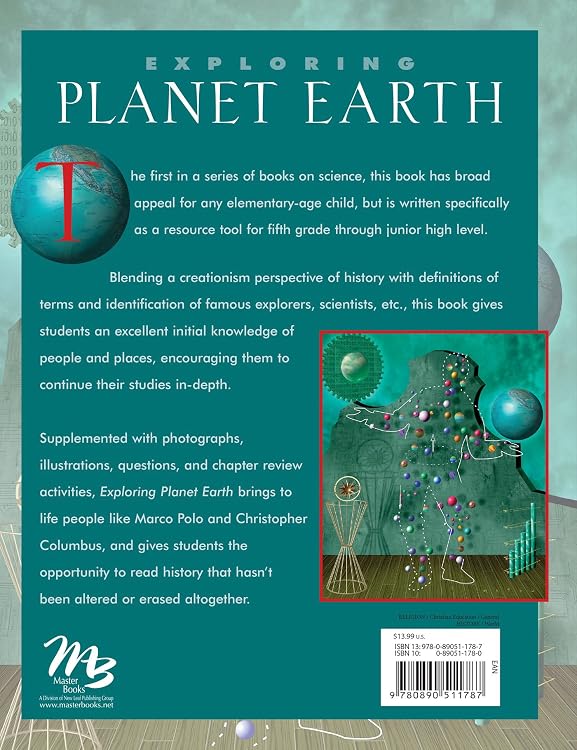
Journey Discovery Early Civilization Future: Exploring Planet Earth is the first book in a three-book science series, aimed at home-school families and broadly described as suitable for elementary-age children. It presents historical exploration and scientific figures from a creationism perspective, with definitions, illustrations and photographs.
At a glance
- First title in a three-book science series.
- Covers explorers and scientists, including Marco Polo and Christopher Columbus.
- Includes definitions and identifies notable people and places.
- Listing describes a creationism perspective on history.
Often bought together
Pros and cons
Pros
- Combines accounts of exploration with introductory information about scientists and places.
- Definitions, illustrations and photographs may support independent or home-school study.
- The listed age and grade ranges give families a rough guide to intended reading level.
Cons
- The creationism perspective is a specific editorial approach that may not suit every curriculum or household.
Technical specifications
10 specifications| Publisher | Master Books |
|---|---|
| Publication date | 3 April 1997 |
| Language | English |
| Print length | 160 pages |
| ISBN-10 | 0890511780 |
| ISBN-13 | 978-0890511787 |
| Reading age | 10 - 18 years |
|---|---|
| Grade level | 5 and up |
| Dimensions | 21.67 x 1.02 x 27.15 cm |
|---|---|
| Weight listed | 454 g |
Who is it for?
A good fit for
- Home-school families seeking a history-led introduction to exploration and science.
- Readers around the listed ages of 10 to 18 who benefit from definitions and visual material.
Less suited to
- Buyers seeking a perspective-neutral history resource or a narrowly focused science textbook.
Frequently asked questions
What topics does Exploring Planet Earth cover?
The listing describes accounts of exploration and science history, with people such as Marco Polo and Christopher Columbus, alongside definitions and notable scientists.
What perspective does the book take?
The listing describes its historical approach as creationist. Consider whether that aligns with your curriculum before buying.
Who is the book aimed at?
The listed reading age is 10 to 18 years and the grade level is 5 and up. The description also says it is broadly appealing to elementary-age children.
How long is the book?
The listing gives a print length of 160 pages.
Alternative options
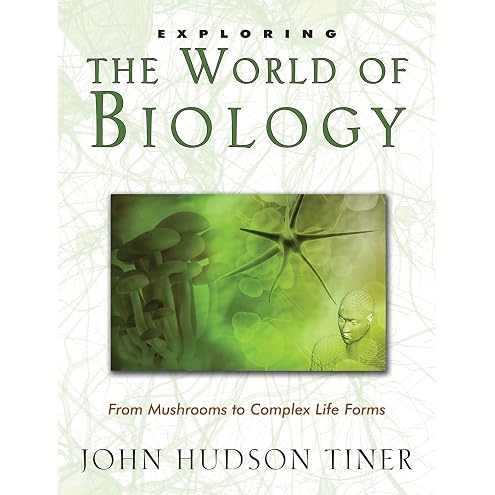
Exploring the World of Biology: From Mushrooms to Complex Life Forms
$29.35
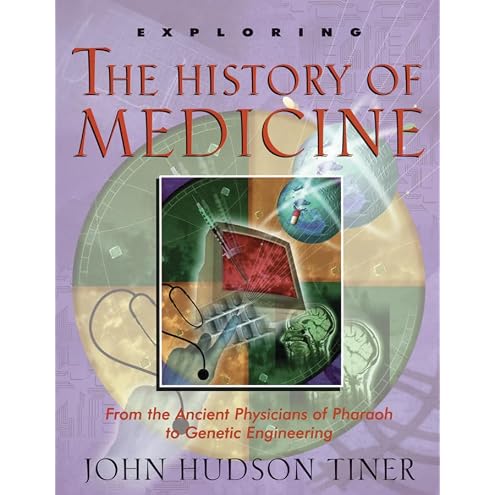
Exploring the History of Medicine: From the Ancient Physicians of Pharaoh to Genetic Engineering
$38.75
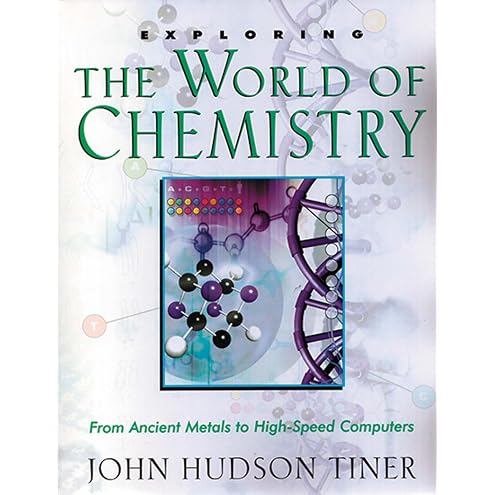
Exploring the World of Chemistry: From Ancient Metals to High-Speed Computers
$39.40
Exploring the World of Mathematics
$31.57