 1 / 3
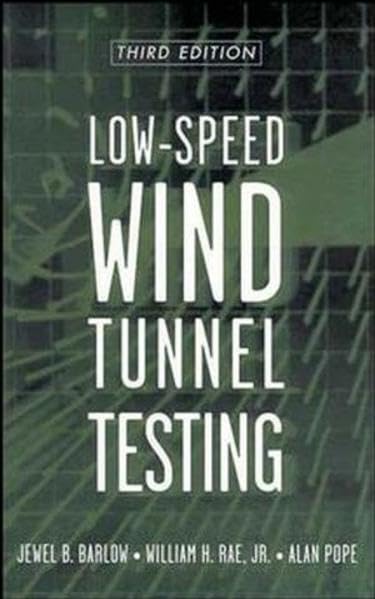
Low-Speed Wind Tunnel Testing, 3rd Edition
Edition: Low-Speed Wind Tunnel Testing is a 736-page English reference on the design, analysis, testing and instrumentation of low-speed wind tunnels. Its listed topics span aircraft modelling, fluid-motion analysis and applications to vehicles, buildings and other structures.
At a glance
- Covers low-speed wind tunnel design, analysis, testing and instrumentation.
- Topics include digital electronics, newer instrumentation, video and photographic methods, pressure-sensitive paint, and liquid crystal-based measurement methods.
- Discusses model testing for aircraft and applications involving fluid motion, automobiles, marine vessels, buildings and bridges.
Often bought together

Pros and cons
Pros
- Broad coverage combines tunnel design and instrumentation with practical testing and analysis topics.
- The stated applications extend beyond aerospace to automotive, marine and structural wind-loading work.
- At 736 pages, it offers substantial reference coverage for students and practitioners.
Technical specifications
9 specifications| Edition | 3rd |
|---|---|
| Publisher | Wiley-Interscience |
| Publication date | 8 February 1999 |
| Language | English |
| Print length | 736 pages |
| ISBN-10 | 0471557749 |
| ISBN-13 | 978-0471557746 |
| Weight listed | 1.2 kg |
|---|---|
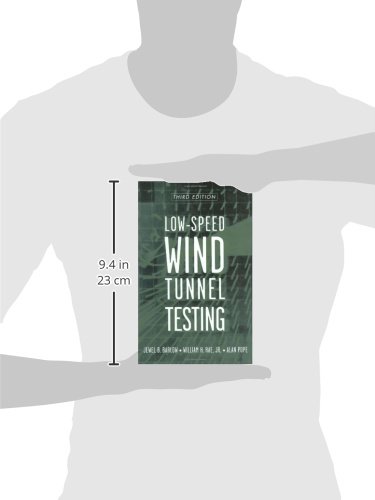
| Dimensions | 16 x 4.32 x 23.88 cm |
Who is it for?
A good fit for
- Aerospace engineering students and professionals studying low-speed wind tunnel work.
- Wind tunnel designers, researchers and engineers seeking a reference on testing methods and instrumentation.
- Automotive, marine and building-related engineers working with wind or fluid-flow analysis.
Less suited to
- Readers seeking a recent overview of developments published after this 1999 edition.
- Buyers looking for a short introductory handbook rather than a substantial technical reference.

Frequently asked questions
What subjects does the book cover?
The listing describes coverage of low-speed wind tunnel design, analysis, testing and instrumentation, including aircraft modelling and applications across several engineering fields.
Who may find this reference useful?
The listing identifies aerospace students and professionals, engineers and researchers in automotive industries, wind tunnel designers and architects as intended readers.
Is this a recent edition?
The listed edition is the 3rd, with a publication date of 8 February 1999. Buyers seeking coverage of later developments should account for that date.