 1 / 2
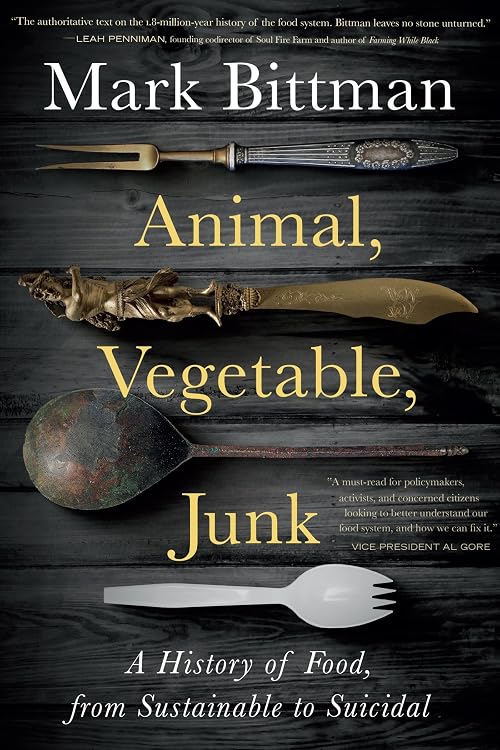
Animal, Vegetable, Junk: A History of Food, from Sustainable to Suicidal
Suicidal: Animal, Vegetable, Junk is Mark Bittman’s sweeping account of how food, farming and commercial interests have shaped human history. It connects food systems with events including colonialism, famine and climate change, and considers efforts to build a more sustainable future.
At a glance
- A history of food and farming from early human societies to contemporary industrial food systems.
- Examines connections between food production, economic power and major historical events.
- Discusses activists, workers and governments working towards alternatives to corporate food systems.
Reference price: $54.99
Price checked: 18 Nov 2026
View offerAhead of Black FridayExplore the selectionOften bought together
Pros and cons
Pros
- Brings food history together with social and economic themes, including colonialism and famine.
- The account also considers possible routes towards change rather than focusing only on past harms.
Technical specifications
8 specifications| Publisher | HarperCollins US |
|---|---|
| Publication date | 16 January 2021 |
| Language | English |
| Print length | 384 pages |
| ISBN-10 | 1328974626 |
| ISBN-13 | 978-1328974624 |
| Weight listed | 581 g |
|---|---|
| Dimensions | 15.24 x 2.97 x 22.86 cm |
Who is it for?
A good fit for
- Readers interested in food history, agriculture and the social effects of food production.
- Those looking for a critical discussion of Big Food and possible changes to food systems.
Less suited to
- Readers seeking a recipe collection or a neutral, narrowly focused chronology of food.
Customer reviews on Amazon
- 5 stars
67% 67% - 4 stars
20% 20% - 3 stars
9% 9% - 2 stars
2% 2% - 1 star
2% 2%
Customer feedback highlights the book’s informative treatment of the food industry and its historical context, including Big Ag. Reactions to the subject matter and writing are mixed, with some finding the material interesting and well written while others find it disturbing or poorly written. For readers seeking a critical food-history account, the reported insights may appeal, but the divisive tone and prose are worth considering.
Positive themes
- Customers describe the content as informative and say it offers eye-opening context on the food industry.
Mixed feedback
- Reactions to the subject matter range from interesting to disturbing.
- Writing quality divides readers, with some praising it and others describing it as poor.
Frequently asked questions
What is Animal, Vegetable, Junk about?
Mark Bittman looks at how food, farming and the commercial interests behind them have shaped history, and discusses efforts to change food systems.
Is this a cookbook?
The supplied description presents it as a history and discussion of food systems, not as a recipe collection.
How long is the book?
The listing gives a print length of 384 pages.
Alternative options
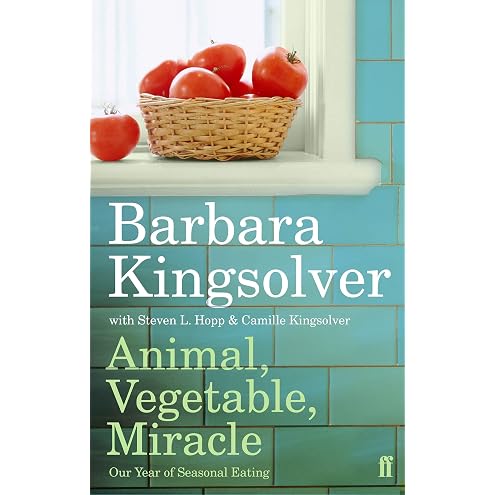
Animal, Vegetable, Miracle: Our Year of Seasonal Eating
$28.72
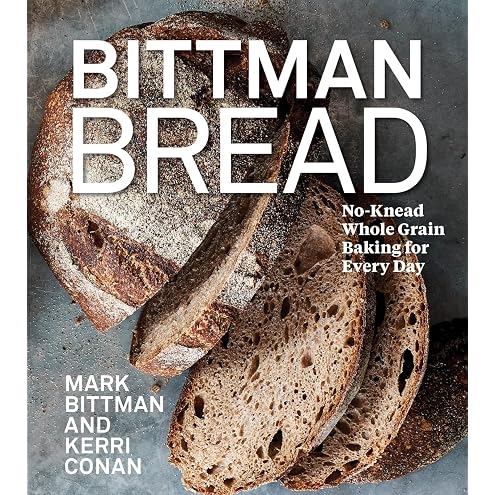
Bittman Bread: No-Knead Whole Grain Baking for Every Day: A Bread Recipe Cookbook
$39.06
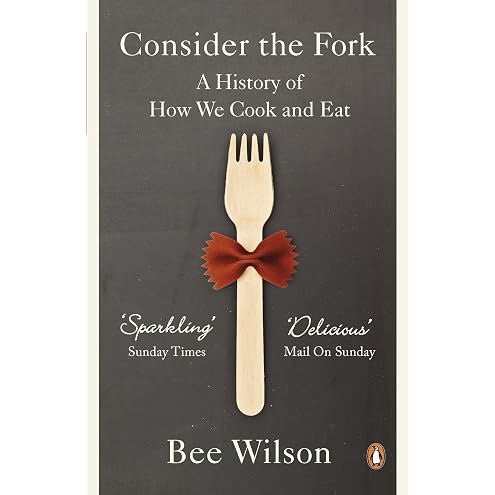
Consider The Fork: A History Of How We Cook And Eat
$31.18
How To Cook Everything The Basics: All You Need to Make Great Food with 1,000 Photos: 2
$51.57
An Edible History of Humanity
$28.15
Mark Bittman's Quick And Easy Recipes From The New York Times
$65.65