Data Storage
Explore Data Storage by subcategory and find the deals you are looking for.
Subcategories
Products · Data Storage
19 active deals
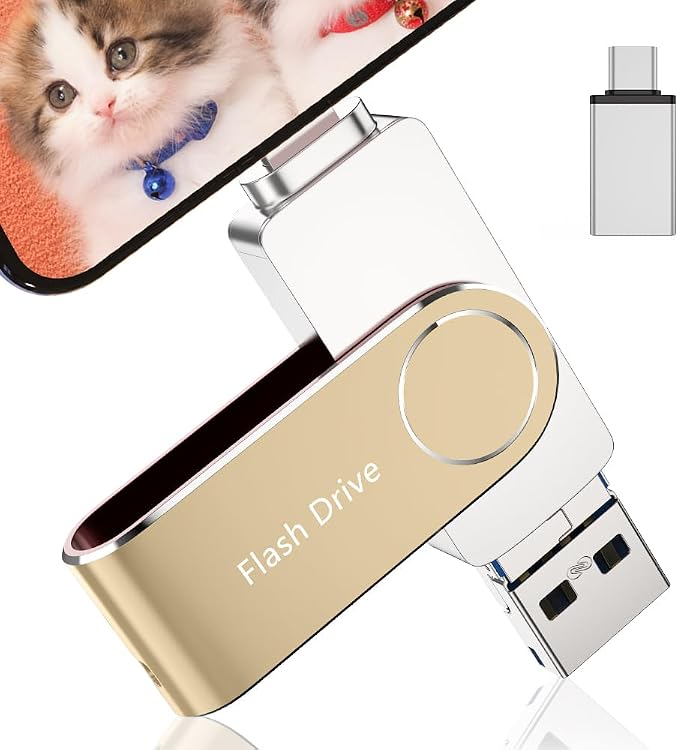
Xviket 512 GB USB Flash Drive
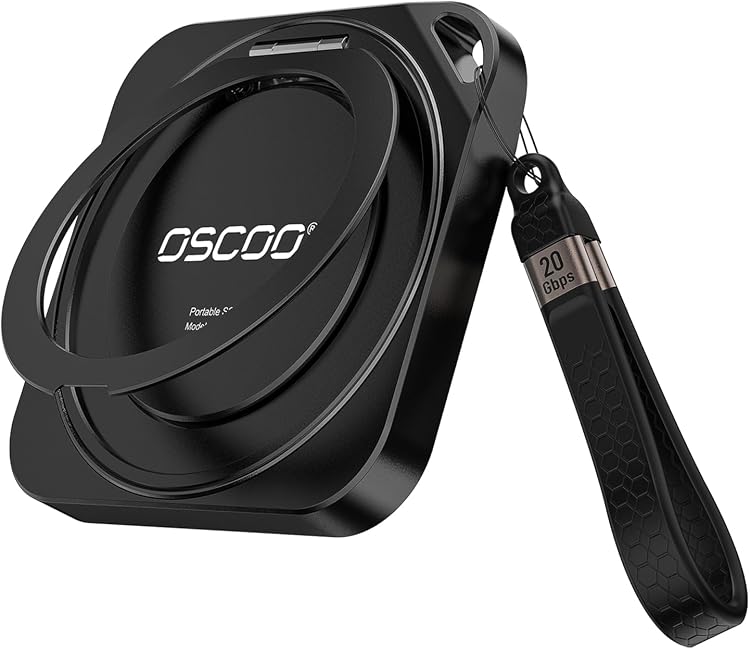
OSCOO MD100 1TB Magnetic Portable SSD with Stand
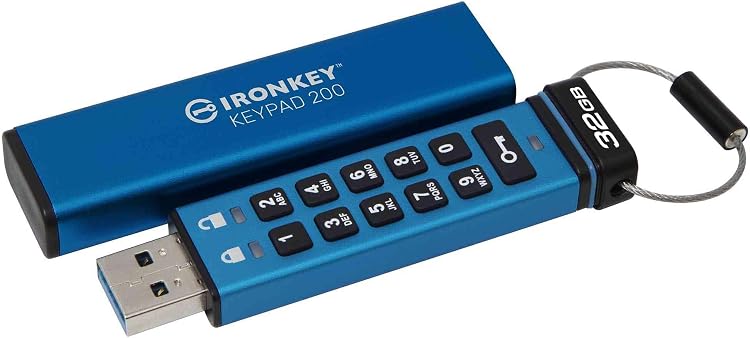
Kingston IronKey Keypad 200 32GB Encrypted USB Drive
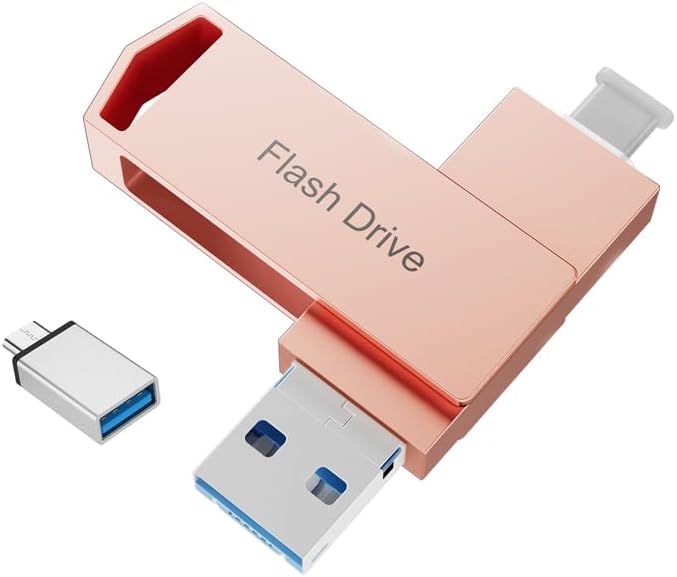
Abaisheng 512GB USB 3.0 4-in-1 Flash Drive
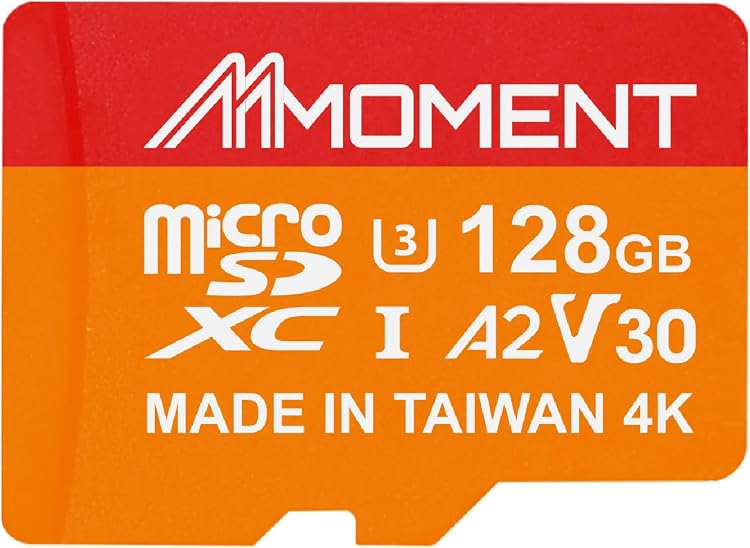
MMOMENT MM23 128GB microSDXC Card, A2 UHS-I U3 V30
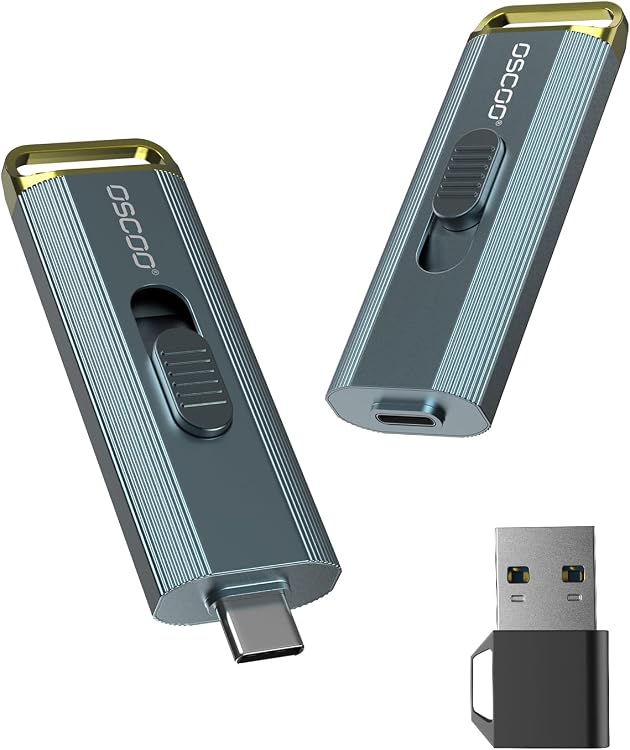
OSCOO D8 2TB Portable SSD, USB-C and USB-A
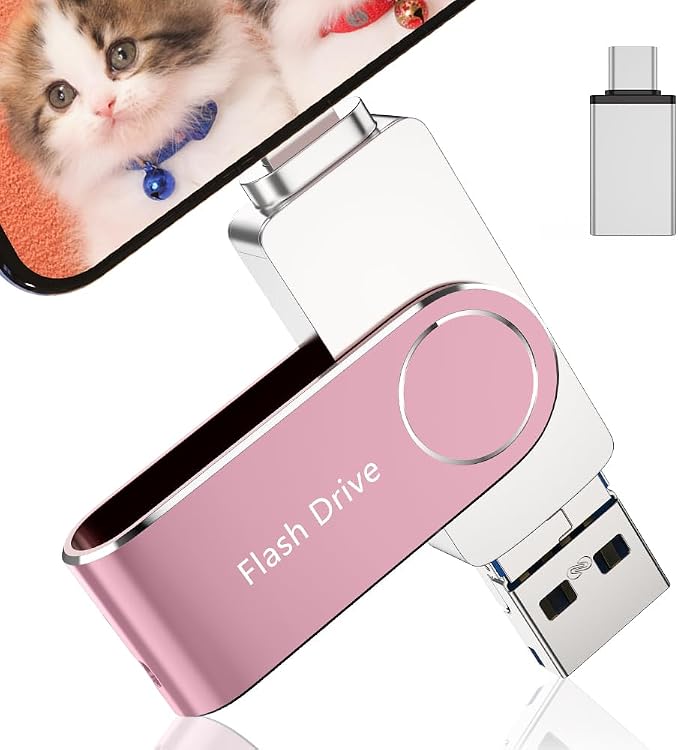
Xviket USB Flash Drive 256PK, 256 GB, USB 3.0
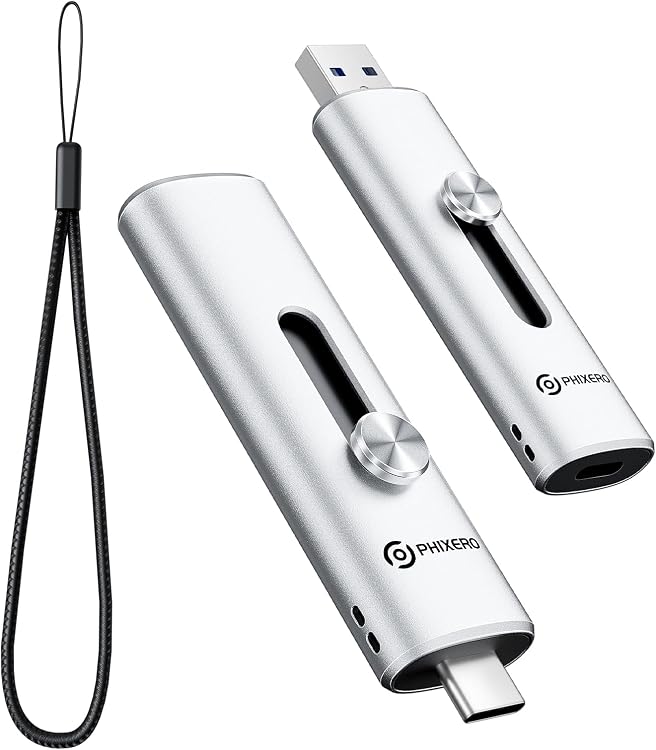
PHIXERO P201 512GB Portable External SSD
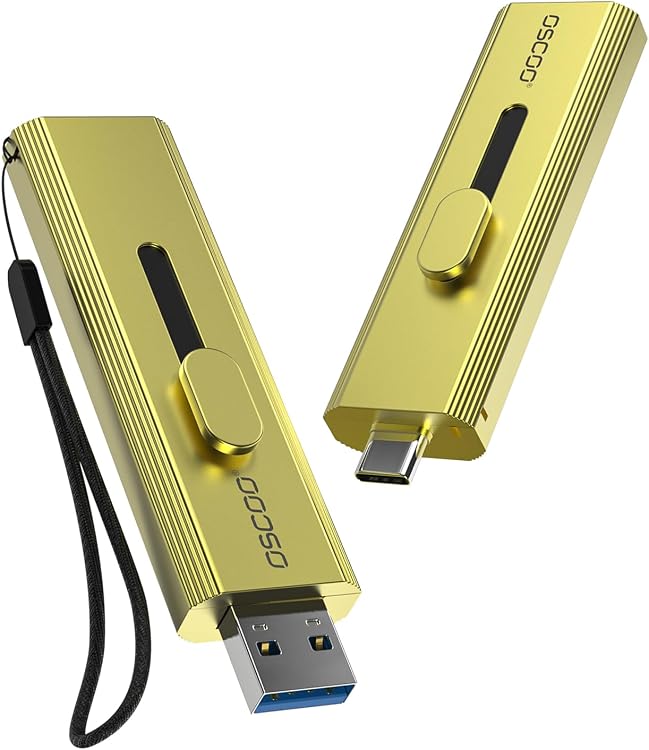
OSCOO T10 512GB Portable SSD
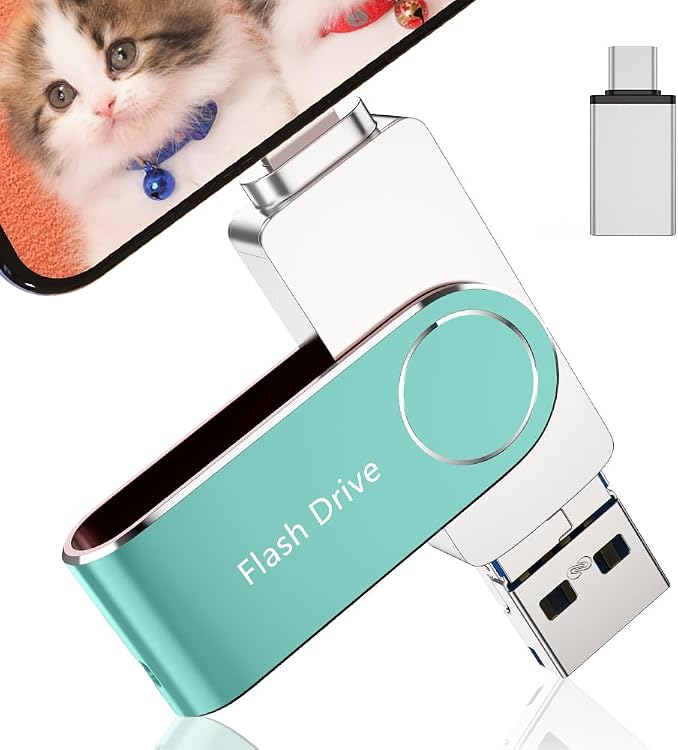
Xviket USB Flash Drive 512GR, 512 GB, USB 3.0
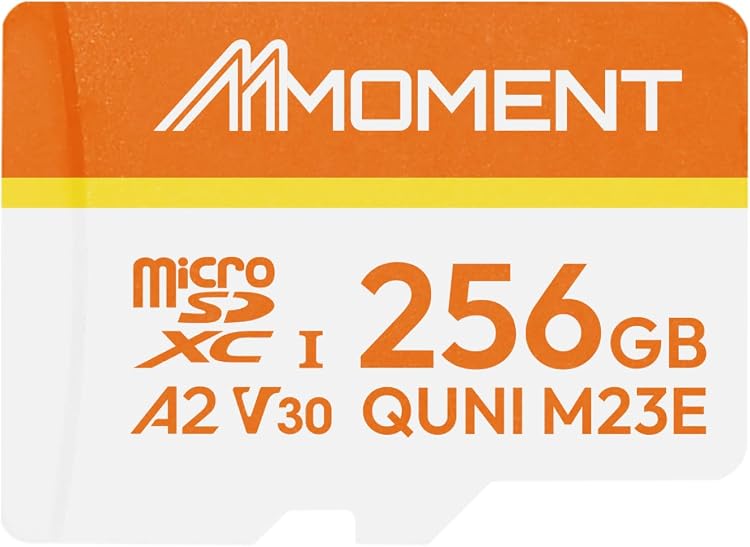
MMOMENT QUNI M23E 256GB microSDXC Card, A2 U3 V30
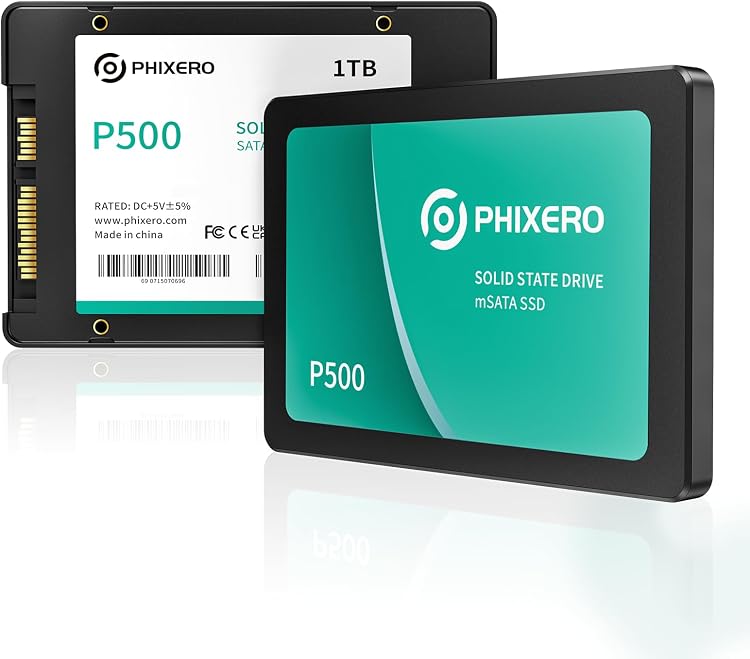
PHIXERO P500 1TB 2.5-inch SATA SSD
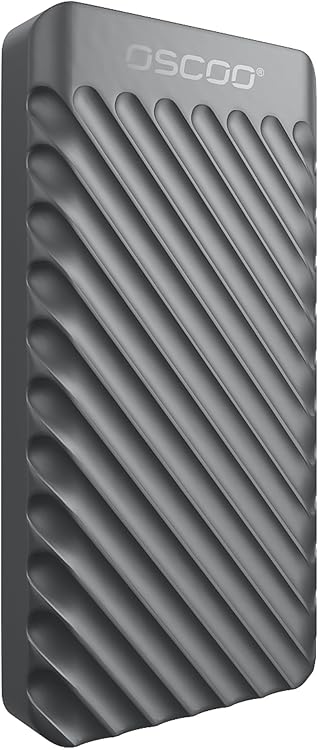
OSCOO Extreme Portable SSD 4TB, USB 3.2 Gen 2×2
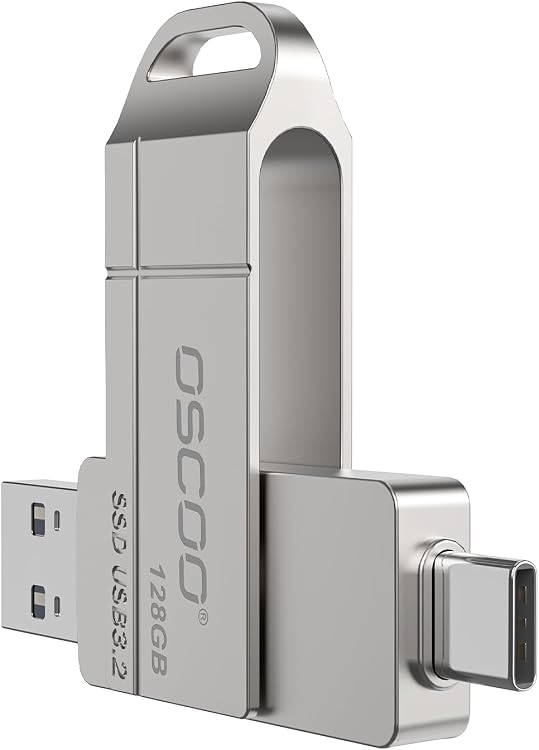
OSCOO SU001 128GB Portable USB Drive
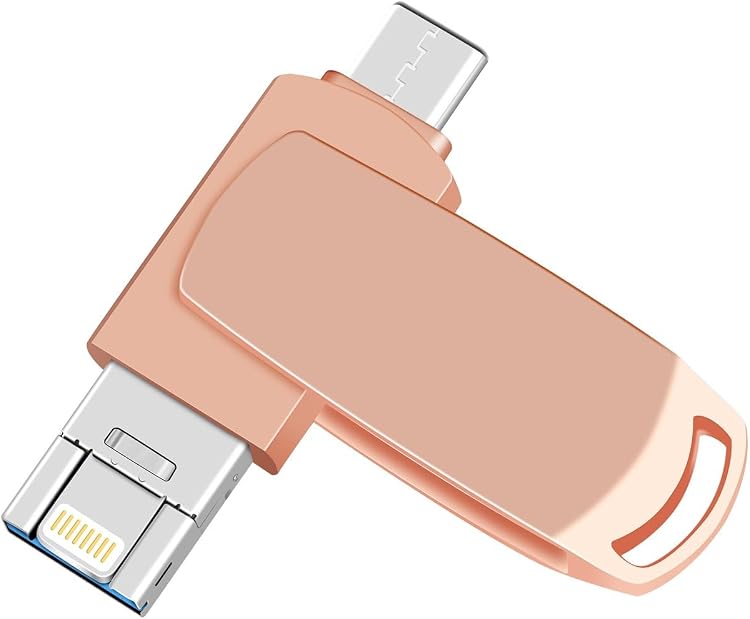
Forpmon 3-in-1 USB Flash Drive, Lightning and USB-A, Pink
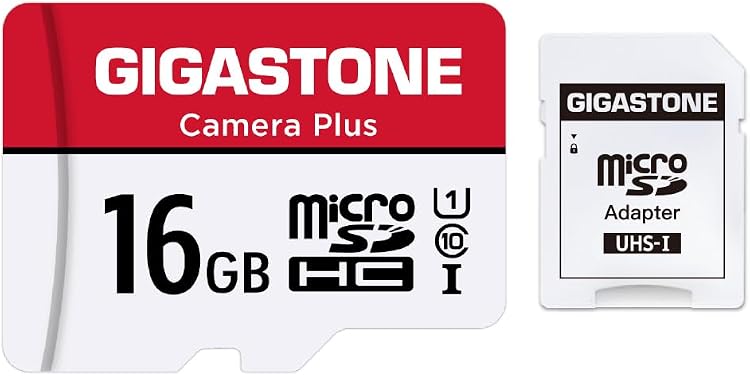
Gigastone Camera Plus 16GB microSDHC Card, UHS-I U1 Class 10
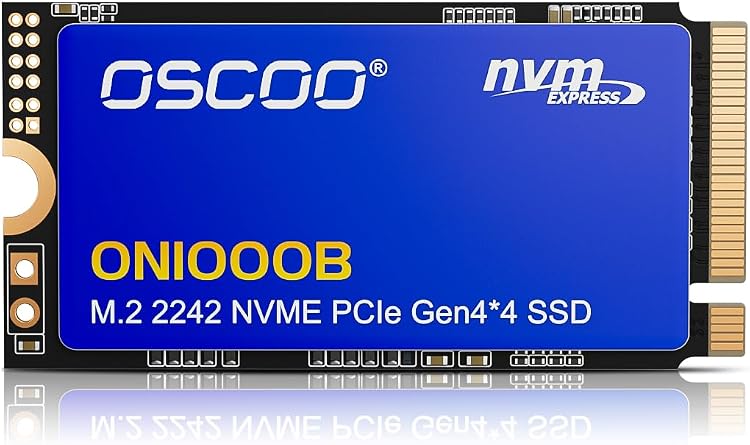
OSCOO ON1000B 1TB M.2 2242 PCIe Gen4x4 NVMe SSD
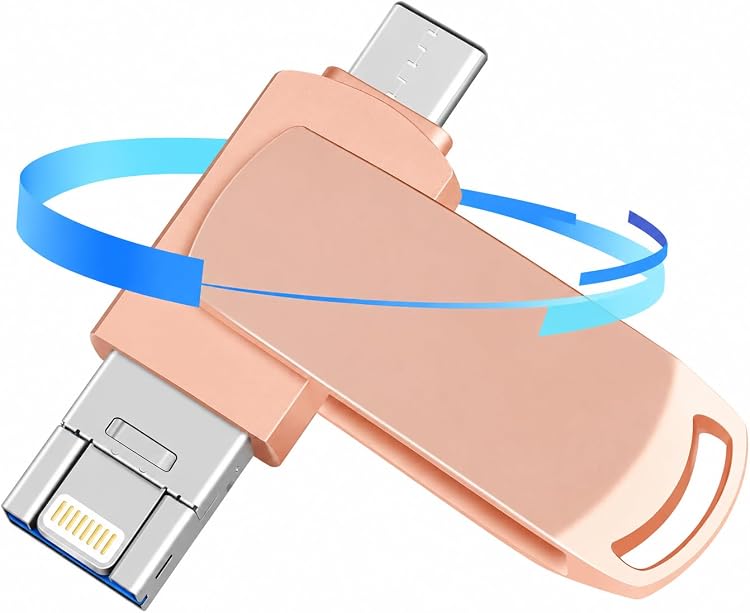
Forpmon XG20260831UP-PINK 2TB 4-in-1 USB Flash Drive
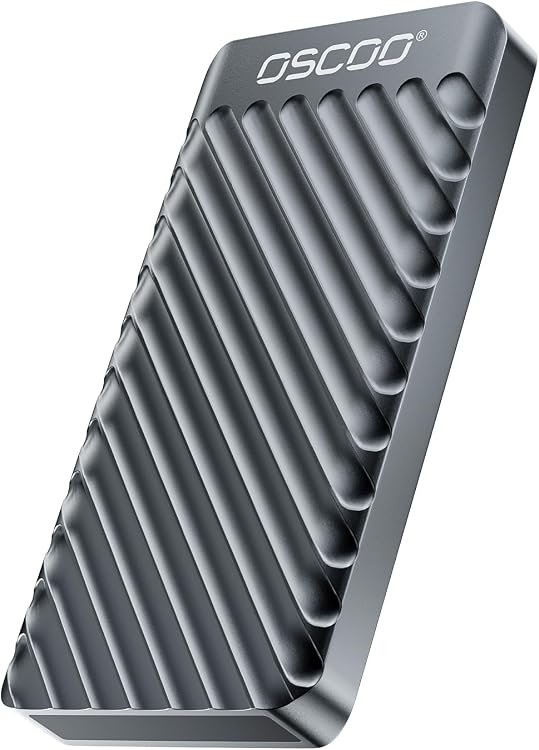
OSCOO MD006 1TB Portable SSD
Top deals in Data Storage
Big discounts across a variety of models and stores.
Xviket USB Flash Drive 256PK, 256 GB, USB 3.0
OSCOO T10 512GB Portable SSD
Forpmon XG20260831UP-PINK 2TB 4-in-1 USB Flash Drive
MMOMENT QUNI M23E 256GB microSDXC Card, A2 U3 V30
OSCOO SU001 128GB Portable USB Drive
Gigastone Camera Plus 16GB microSDHC Card, UHS-I U1 Class 10
PHIXERO P201 512GB Portable External SSD
PHIXERO P500 1TB 2.5-inch SATA SSD
OSCOO ON1000B 1TB M.2 2242 PCIe Gen4x4 NVMe SSD
OSCOO MD006 1TB Portable SSD
OSCOO Extreme Portable SSD 4TB, USB 3.2 Gen 2×2
New in Data Storage
Recently added or updated deals.
Xviket 512 GB USB Flash Drive
OSCOO MD100 1TB Magnetic Portable SSD with Stand
Kingston IronKey Keypad 200 32GB Encrypted USB Drive
Abaisheng 512GB USB 3.0 4-in-1 Flash Drive
MMOMENT MM23 128GB microSDXC Card, A2 UHS-I U3 V30
OSCOO D8 2TB Portable SSD, USB-C and USB-A
Xviket USB Flash Drive 512GR, 512 GB, USB 3.0
Forpmon 3-in-1 USB Flash Drive, Lightning and USB-A, Pink
Data storage for working files, portable copies and archives
Choosing storage starts with the journey your files take. An operating system, a rarely changed collection and an uninterrupted video recording do not require the same medium. This category covers SSDs, hard drives, memory cards and USB flash drives; RAM performs a different job and is outside its scope.
Separate everyday work, archiving and handover
An SSD suits a responsive computer and frequent access to numerous files. A hard drive can be useful for large libraries that do not demand the same responsiveness, in exchange for moving mechanisms, noise and greater sensitivity to knocks while operating.
A memory card belongs in cameras or other devices that support it. A USB flash drive makes handing over documents or carrying installers straightforward. A small medium that is easily lost should not become the only home for important work.
Compatibility goes beyond the plug
For internal drives, check the interface, physical format and computer's support. For external ones, check the available port and required power supply. An adapter may solve the shape of the connection without delivering the expected speed or functions.
Devices can impose capacity limits and speed-class requirements on memory cards. The file system also matters when moving data between machines: some devices do not support every format, and certain formats limit the size of individual files.
Estimate usable space and transfer time
Count your existing files and expected growth without confusing advertised capacity with space remaining after formatting and the operating system. Videos, game libraries and projects with multiple versions may take up much more room than office documents.
Maximum read speed does not describe a lengthy copy or the writing of many small files. Compare the transfers you will actually make, remembering that the port, card reader or source drive may limit the whole arrangement.
A second drive is not automatically a second copy
Moving a folder to another drive frees space but creates no backup if you delete the original. Keep independent copies of irreplaceable files and check that they can be recovered; synchronisation can also spread deletions.
Before buying, decide where that copy will live and who can access it. Encryption may help when storage leaves home, but losing its key can make the data inaccessible. No medium should be treated as a permanent archive that never needs checking.