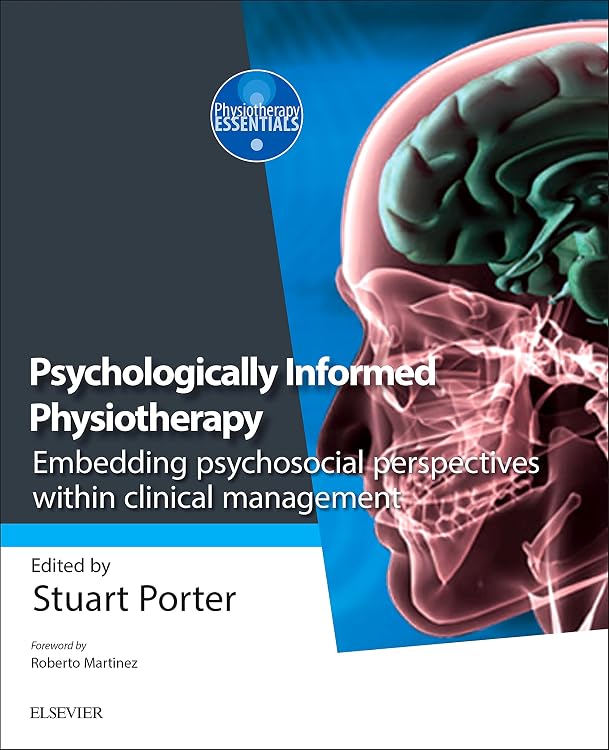
Psychologically Informed Physiotherapy: Embedding Psychosocial Perspectives within Clinical Management
Embedding Management: Psychologically Informed Physiotherapy is a textbook on bringing psychosocial perspectives into physiotherapy practice. Its chapters cover topics including the biopsychosocial model, screening, clinical communication, pain and recovery, and psychological strategies, with case studies and reflective exercises described in the listing.
At a glance
- Covers psychosocial perspectives alongside the biomedical model.
- Topics include the biopsychosocial model, red-flag screening, communication, pain, stress, recovery and evidence-based decisions.
- Clinical case studies and reflective exercises are described as ways to connect concepts with practice.
Pros and cons
Pros
- Broad coverage includes clinical communication, patient anxiety, athlete psychology and psychological interventions for students or new graduates.
- Case studies and reflective exercises may help readers connect theoretical concepts to clinical scenarios.
Technical specifications
9 specifications| Publisher | Elsevier |
|---|---|
| Publication date | 6 February 2017 |
| Edition | 1st |
| Language | English |
| Print length | 264 pages |
| ISBN-10 | 0702068179 |
| ISBN-13 | 978-0702068171 |
| Weight listed | 215 g |
|---|---|
| Dimensions | 19.05 x 1.91 x 23.5 cm |
Who is it for?
A good fit for
- Physiotherapy students and practitioners seeking an introduction to psychologically informed practice.
- Readers interested in applying psychosocial concepts to screening, communication and rehabilitation.
Frequently asked questions
What topics does this physiotherapy textbook cover?
The listing describes chapters on the biopsychosocial model, screening, clinical interactions, stress, pain and recovery, athlete psychology, psychological strategies and evidence-based decisions.
Does the book include practical learning material?
The listing says it includes clinical case studies, reflective exercises and clinically relevant scenarios.
Who is the book aimed at?
The listing presents it as a resource for physiotherapists and as a confidence-building introduction for students and practitioners new to the subject.