 1 / 7
K'NEX Education STEM Explorations Vehicles Building Set, 131 Pieces
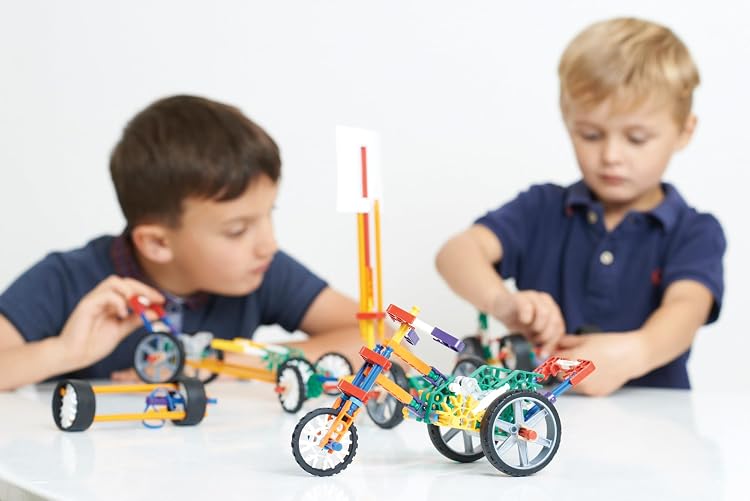
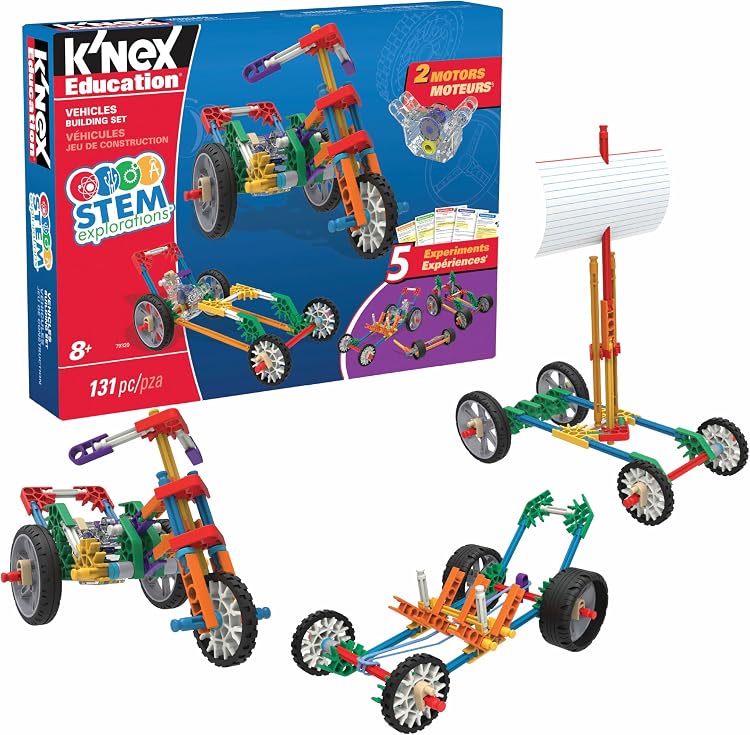
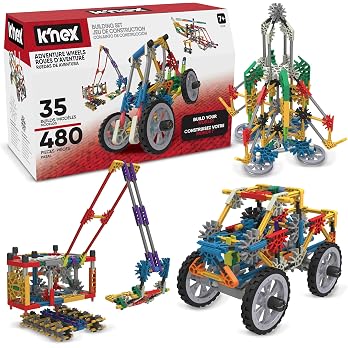
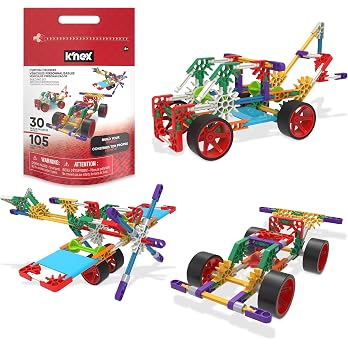
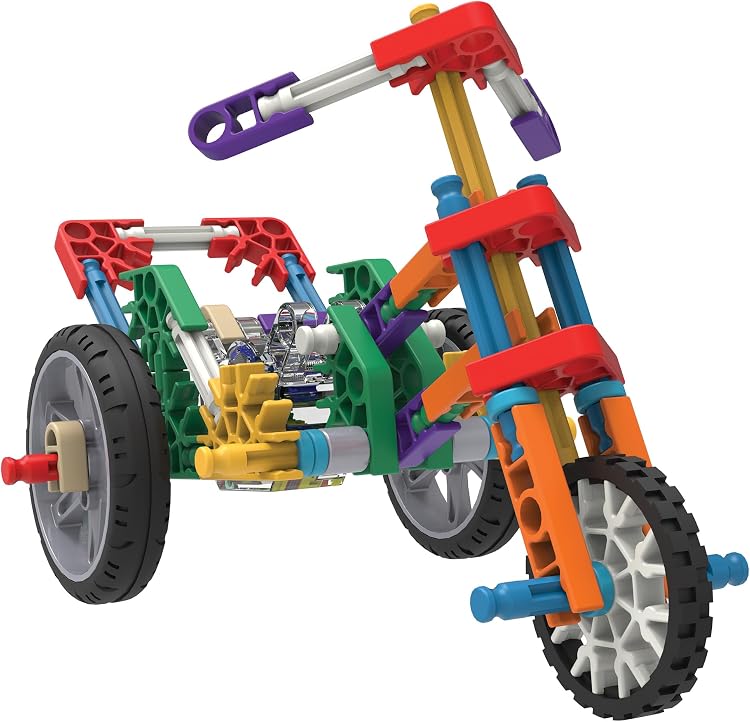
Pieces: K'NEX Education STEM Explorations Vehicles is a 131-piece construction set for building vehicle models and exploring motion and energy concepts. The listing describes seven models with push, rubber-band, wind or spring-motor power, plus guided experiments for primary-school learners.
At a glance
- Build seven vehicle models using several different power sources, according to the listing.
- The experiment guide describes five hands-on activities and links vehicle building to energy, motion and graphing.
- Listed for one child or a team of two, making it suitable for solo or shared building.
Reference price: $60.56
Price checked: 13 Nov 2026
View offerAhead of Black FridayExplore the selectionOften bought together
Pros and cons
Pros
- Multiple model builds and power approaches give learners varied ways to explore how vehicles move.
- The experiment guide connects construction with specific STEM topics rather than building alone.
- The listing gives an age recommendation and identifies a small-team option.
Technical specifications
14 specifications| Brand | K'NEX |
|---|---|
| Model | K'Nex Stem Explorations Vehicles |
| Model number | 79320 |
| Recommended age | 8 years and up |
| Number of pieces | 131 |
| Theme | Transportation |
| Educational objectives | Engineering Skills, STEM |
| Material | Plastic |
| Colour | Multi |
| Vehicle models and power sources | The set includes 130+ parts for a single child or team of 2 children to build 7 vehicle models with different power sources, including push-power, rubber band power, wind power or a spring motor. |
|---|---|
| Experiment guide | The experiment guide is aligned to National STEM standards and is appropriate for Grade levels 3-5. |
| Concepts covered | Students will learn about potential & kinetic energy, velocity, acceleration, motion, graphing and more! |
| Dimensions listed | 22.9 x 5.1 x 30.5 centimetres |
|---|---|
| Weight listed | 1 Pounds |
What to know before buying
Listing details to confirm
The listing describes the set as both 131 pieces and 130+ parts, which is consistent as a broad count but not an exact reconciliation. It calls the experiment guide downloadable in one description while the contents list names an instructions booklet, so check whether a printed guide or download access is supplied with the selected listing.
What’s in the box
Included- Instructions booklet
- K'NEX pieces
Who is it for?
A good fit for
- Children aged 8 and up interested in vehicle construction and introductory STEM activities.
- Families or educators seeking a build that can be shared by two learners.
Less suited to
- Buyers seeking a large collection of vehicle models, since the listing specifies seven builds.
- Those who need confirmation that experiment instructions are printed and included rather than accessed as a download.
Customer reviews on Amazon
- 5 stars
83% 83% - 4 stars
10% 10% - 3 stars
4% 4% - 2 stars
1% 1% - 1 star
2% 2%
Customer feedback describes the set as enjoyable, educational and good quality, with a mention of critical thinking and children staying engaged for a long time. Those reported impressions fit the listing's build-and-experiment format, but do not establish how every model or activity performs. Aggregate ratings are mostly in the five-star category, with a smaller spread across lower ratings.
Positive themes
- Customers report good quality and educational appeal.
- Feedback mentions enjoyment and extended engagement.
Frequently asked questions
How many vehicle models can be built?
The listing says the 130+ parts can be used to build seven vehicle models.
What powers the models?
The described power sources include push-power, rubber-band power, wind power and a spring motor.
Is there an experiment guide?
The listing describes five hands-on experiments and says the guide is downloadable, while its included-components field lists an instructions booklet. Confirm the format supplied with the selected listing.
What age is the set recommended for?
The stated manufacturer recommendation is 8 years and up. The experiment guide is described as appropriate for Grades 3–5.