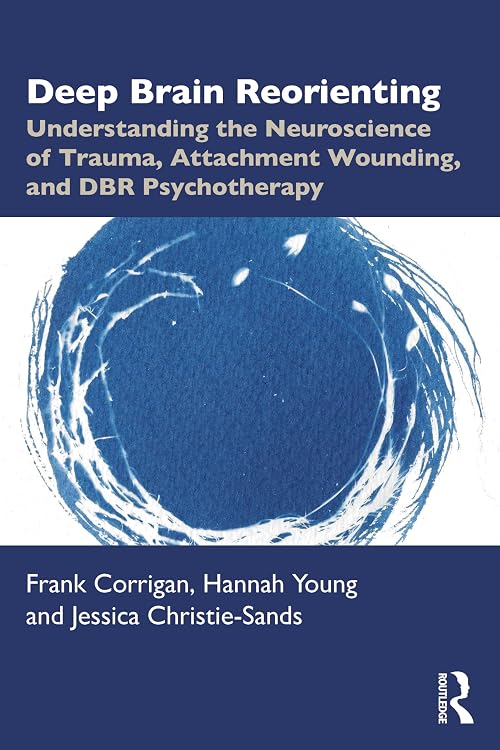
Deep Brain Reorienting: Trauma, Attachment Wounding and DBR Psychotherapy
Deep Brain Reorienting explores the neuroscience of trauma, attachment wounding and DBR psychotherapy. Its description points to a theory-led approach supported by case material, with attention to dissociation and trauma-related responses. The listing presents it as a professional and research-oriented read rather than a general self-help guide.
At a glance
- Focuses on the neuroscience of shock, trauma and neglect and their effects on the brain.
- Uses detailed clinical case material within a theoretical framework.
- Gives particular attention to dissociation, attachment wounding and their treatment.
Often bought together
Pros and cons
Pros
- Connects neuroscience and psychotherapy, with clinical examples to help situate the framework.
- The stated scope includes trauma-related disorders, dissociation and attachment wounding.
Technical specifications
9 specifications| Publisher | Routledge |
|---|---|
| Publication date | 30 December 2024 |
| Edition | 1st |
| Language | English |
| Print length | 266 pages |
| ISBN-10 | 1032556250 |
| ISBN-13 | 978-1032556253 |
| Weight listed | 388 g |
|---|---|
| Dimensions | 15.19 x 1.52 x 22.91 cm |
Who is it for?
A good fit for
- Psychotherapists seeking a neuroscience-informed perspective on trauma in clinical practice.
- Research-oriented psychotherapists and clinically led researchers interested in the book's hypotheses.
Less suited to
- Readers seeking a general introduction or a self-guided treatment manual. The supplied description is aimed at clinical and research audiences.
Customer reviews on Amazon
- 5 stars
84% 84% - 4 stars
7% 7% - 3 stars
6% 6% - 2 stars
3% 3% - 1 star
0% 0%
Aggregate customer ratings lean strongly positive, but a smaller share is lower, so the rating alone cannot show which aspects readers valued or found wanting. Consider the book's stated clinical and research focus when deciding whether its subject matter suits your needs.
Frequently asked questions
What does Deep Brain Reorienting cover?
The listing describes a neuroscience-informed approach to trauma-related disorders, with discussion of shock, trauma, neglect, dissociation and attachment wounding.
Who is the book intended for?
The description identifies psychotherapists, research-oriented psychotherapists and clinically led researchers as its intended readers.
Does the book include clinical examples?
Yes. The listing says it is enhanced by detailed case material and supported by a theoretical framework.
Alternative options
Attachment Theory: The Basics
$27.99
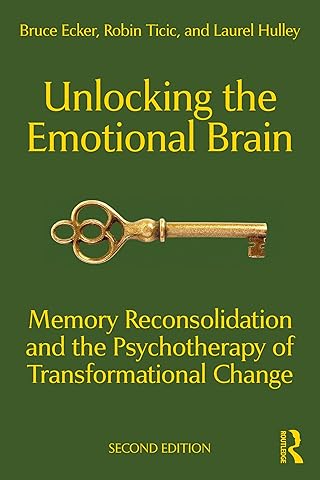
Unlocking the Emotional Brain: Memory Reconsolidation and the Psychotherapy of Transformational Change
$63.99

Psychology and Alchemy (Collected Works of C.G. Jung)
$46.73
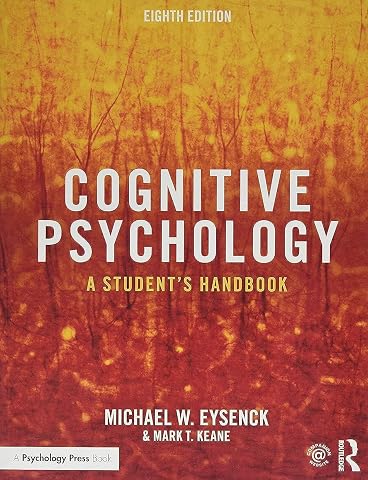
Cognitive Psychology: A Student's Handbook
$71.80
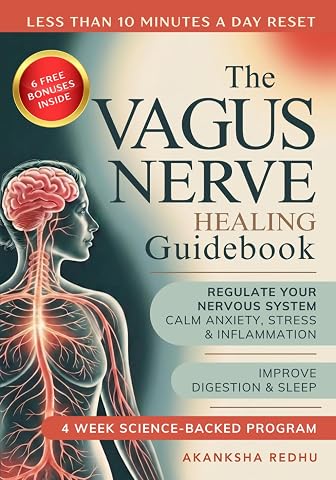
The Vagus Nerve Healing Guidebook: A 4 Week Program to Regulate Your Nervous System - Calm Inflammation, Anxiety and Stress, Improve Digestion and ... Science Backed Exercises for Daily Life
$28.38
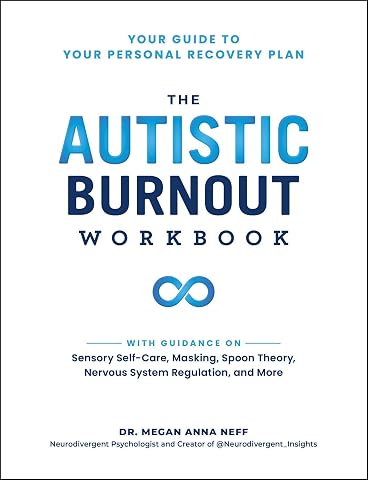
The Autistic Burnout Workbook: Your Guide to Your Personal Recovery Plan
$20.65
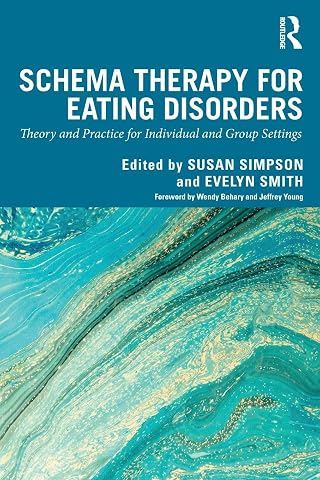
Schema Therapy for Eating Disorders: Theory and Practice for Individual and Group Settings
$68.20
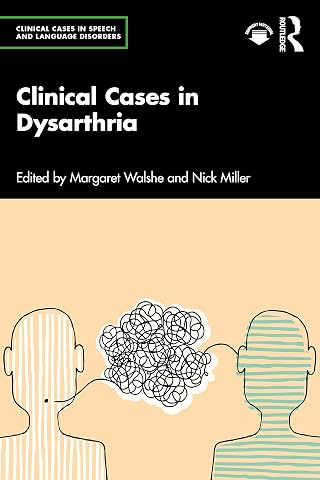
Clinical Cases in Dysarthria
$59.75
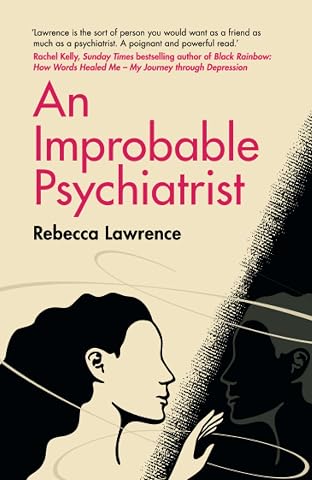
An Improbable Psychiatrist
$31.84