 1 / 2
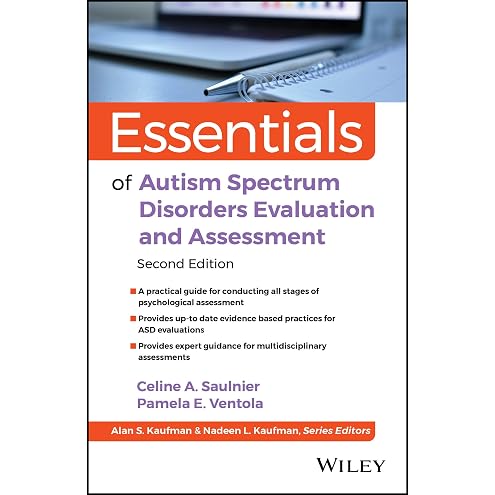
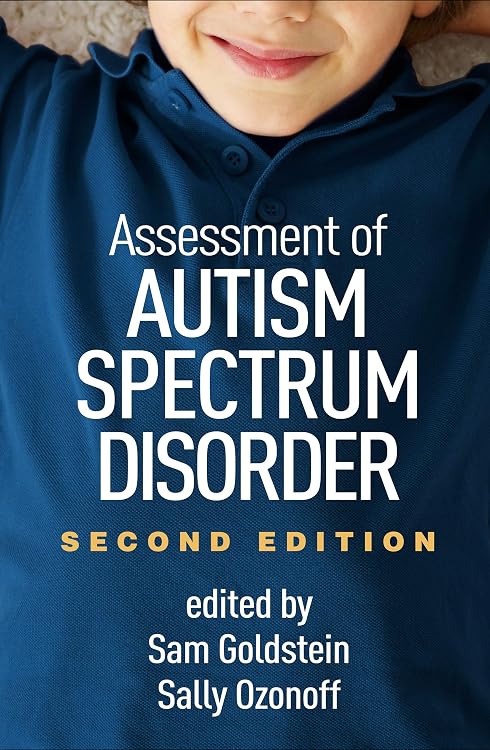
Assessment of Autism Spectrum Disorder, Second Edition
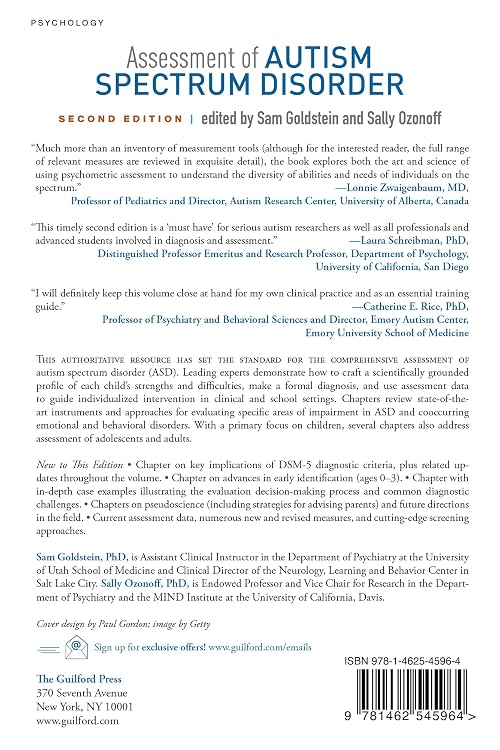
Assessment of Autism Spectrum Disorder, Second Edition is a professional reference focused on comprehensive autism assessment, diagnosis and using assessment findings to guide individualised intervention. Its 494 pages cover children primarily, with some material on adolescents and adults.
At a glance
- Covers formal diagnosis and the use of assessment data to plan individualised intervention in clinical and school settings.
- Discusses assessment instruments and approaches for autism-related impairments and co-occurring emotional and behavioural disorders.
- This edition adds material on DSM-5 criteria, early identification for ages 0–3, case examples, pseudoscience and future directions.
Often bought together
Pros and cons
Pros
- Broad coverage connects assessment, diagnostic decision-making and intervention planning.
- Includes discussion of different ages, with a primary focus on children and some chapters addressing adolescents and adults.
- Case examples address evaluation decisions and common diagnostic challenges.
Technical specifications
9 specifications| Publisher | THE GUILFORD PRESS |
|---|---|
| Edition | 2nd ed. |
| Publication date | 30 May 2018 |
| Language | English |
| Print length | 494 pages |
| ISBN-10 | 1462533108 |
| ISBN-13 | 978-1462533107 |
| Weight listed | 770 g |
|---|---|
| Dimensions | 15.24 x 3.81 x 22.86 cm |
What to know before buying
- The book description emphasises child assessment, so readers seeking an adult-focused assessment guide may find its scope less directly suited to their needs.
Who is it for?
A good fit for
- Clinicians and school professionals assessing autism in children.
- Readers seeking a reference on assessment tools, diagnosis and translating findings into intervention planning.
- Students and practitioners looking for discussion of DSM-5 assessment criteria and early identification.
Less suited to
- Readers seeking a resource focused primarily on adult autism assessment.
- Buyers wanting a brief introduction rather than a 494-page professional reference.
Customer reviews on Amazon
- 5 stars
87% 87% - 4 stars
7% 7% - 3 stars
3% 3% - 2 stars
3% 3% - 1 star
0% 0%
Aggregate ratings are strongly weighted toward the top star category, suggesting generally favourable overall reception, but ratings alone do not reveal which parts readers valued or what concerns prompted lower scores. Consider the book's child-focused scope and professional depth when deciding whether it fits your assessment needs.
Frequently asked questions
Who is this book aimed at?
Its described uses include clinical and school settings, and its content is primarily focused on children. Several chapters also address adolescents and adults.
What topics does the second edition add?
The description lists a chapter on DSM-5 diagnostic criteria, early identification for ages 0–3, case examples, pseudoscience and future directions, alongside updated assessment data and measures.
Does it cover intervention as well as assessment?
Yes. The description says assessment data are used to guide individualised intervention in clinical and school settings.
How long is the book?
The listing gives a print length of 494 pages.