Pet Carriers & Cages
Products · Pet Carriers & Cages
12 active deals
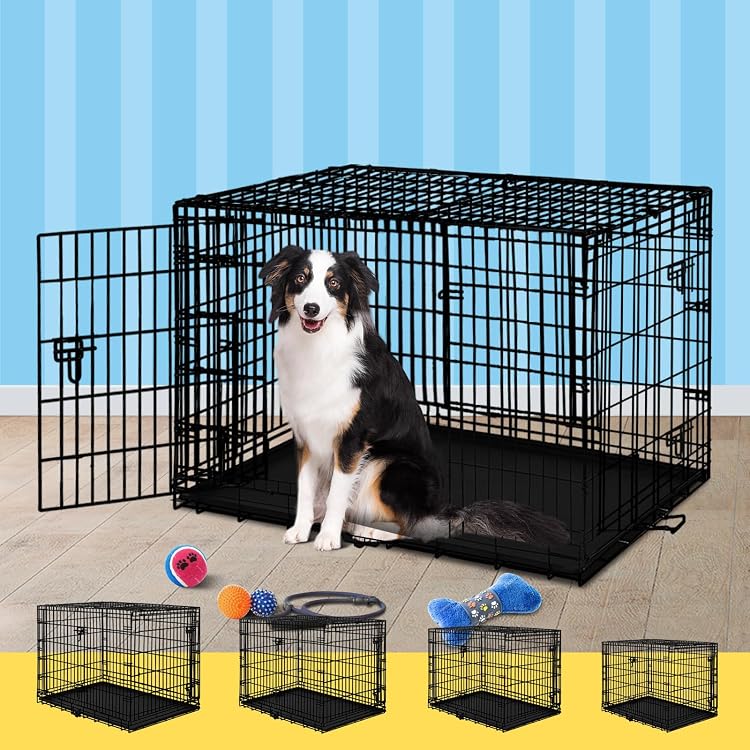
BEASTIE Dog Crate, 91 × 61 × 67 cm, 3 Doors
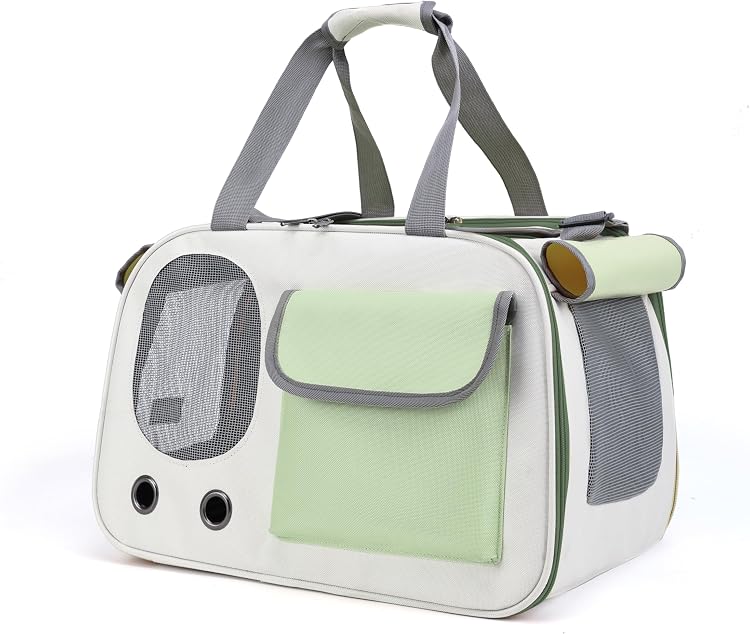
Dotala D-PCarrier collapsible soft-sided pet carrier
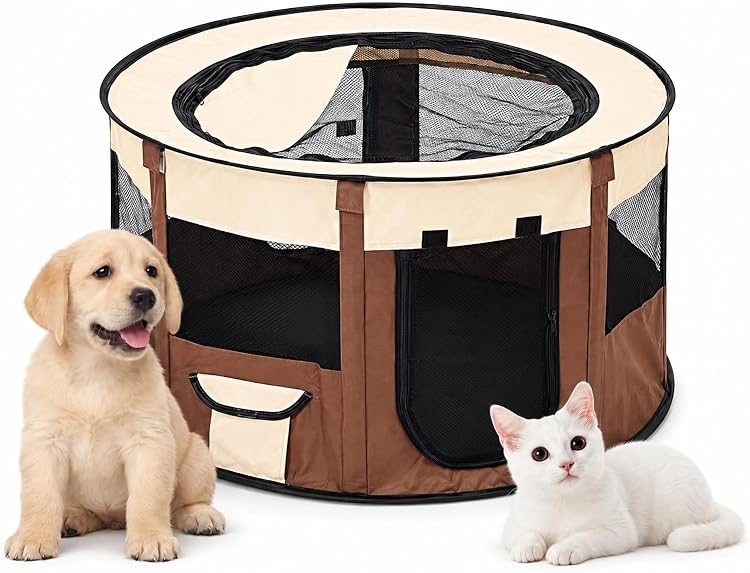
Viowey 072 Round Foldable Pet Playpen, 72 cm
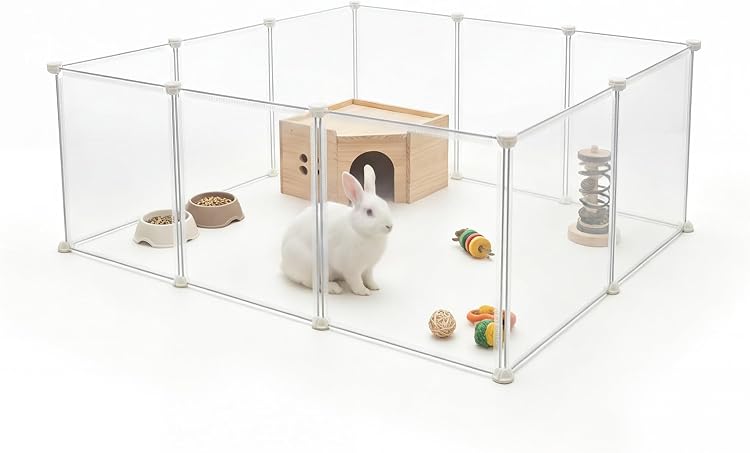
Catio 101-102 12-Panel DIY Pet Playpen
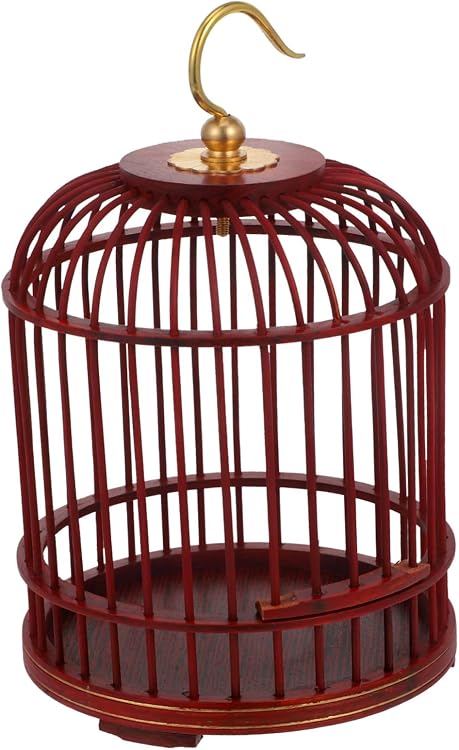
Luxshiny Wooden Bird Cage, Dark Red Dome Design
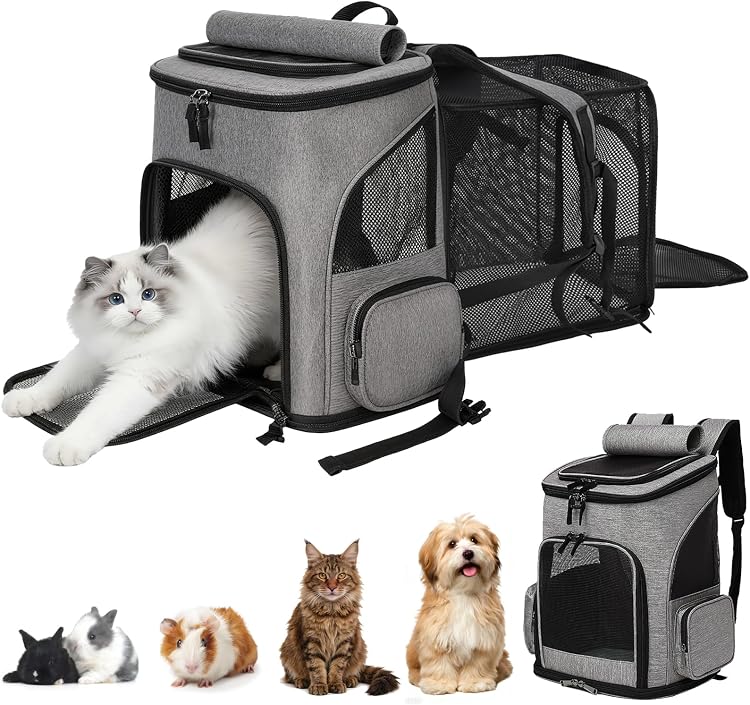
Sonvujunk Expandable Cat Backpack Carrier, up to 12 kg
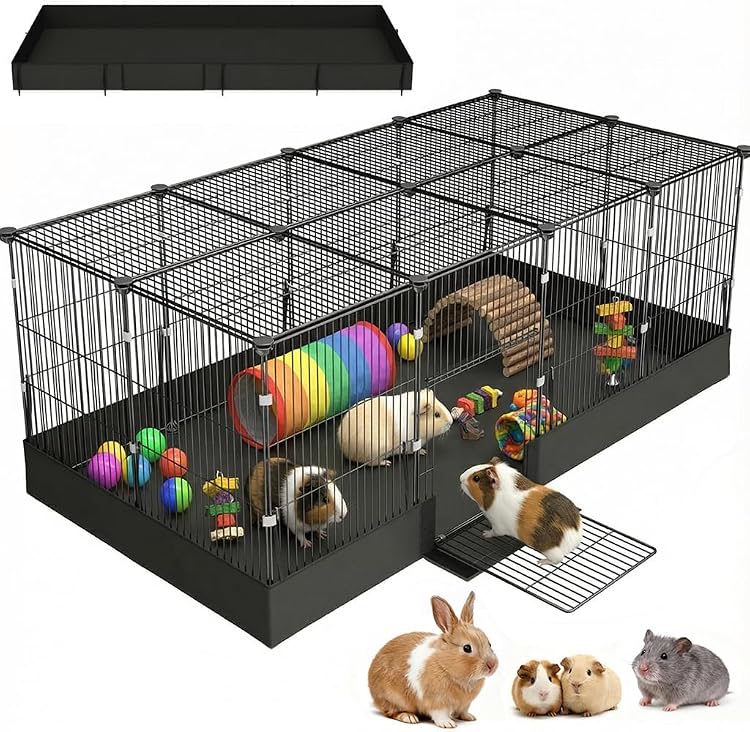
AN AMMAN AN-PET-88 20-Panel Modular Small Animal Playpen
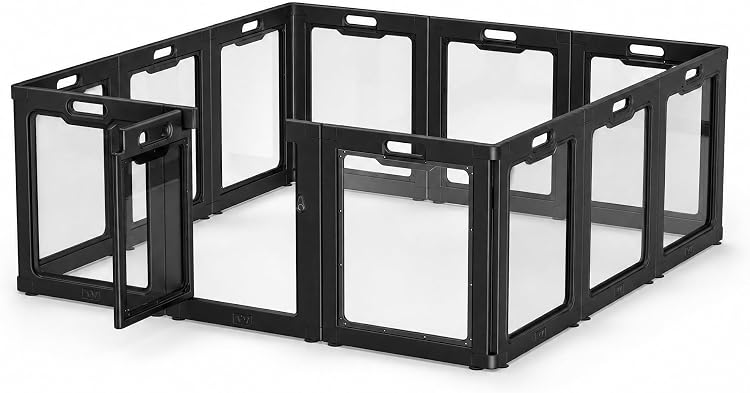
Catio 12-Panel Pet Playpen, 155 x 155 x 61 cm
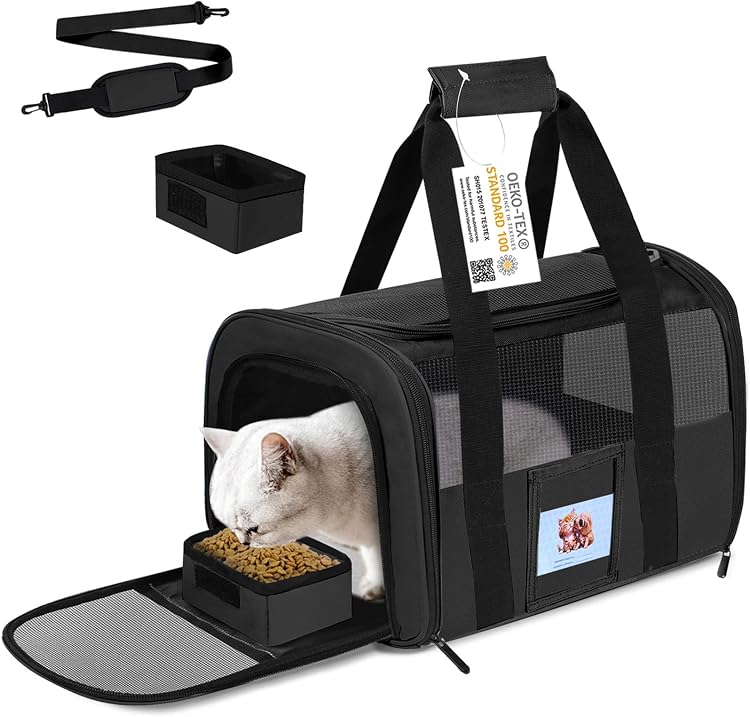
KEYDUACU CWB-2 Soft-Sided Pet Carrier, 53 × 30 × 32 cm
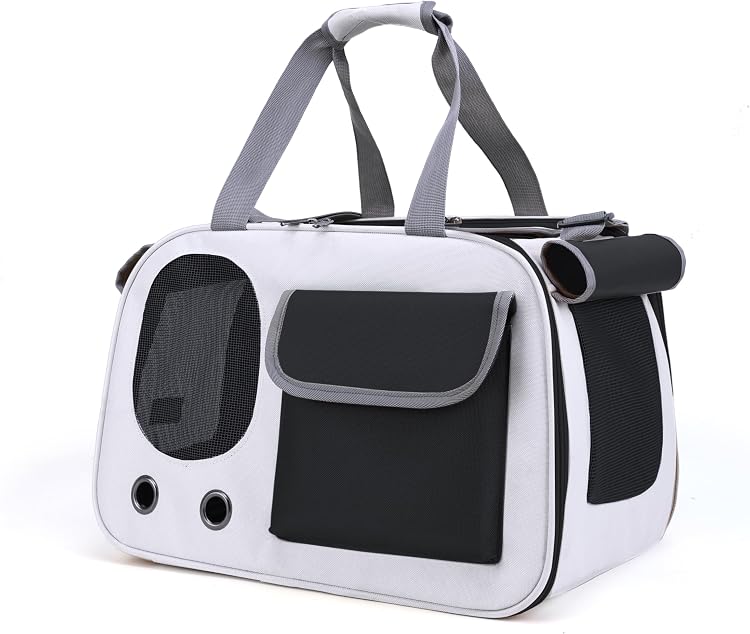
Dotala D-PCarrier Collapsible Pet Carrier
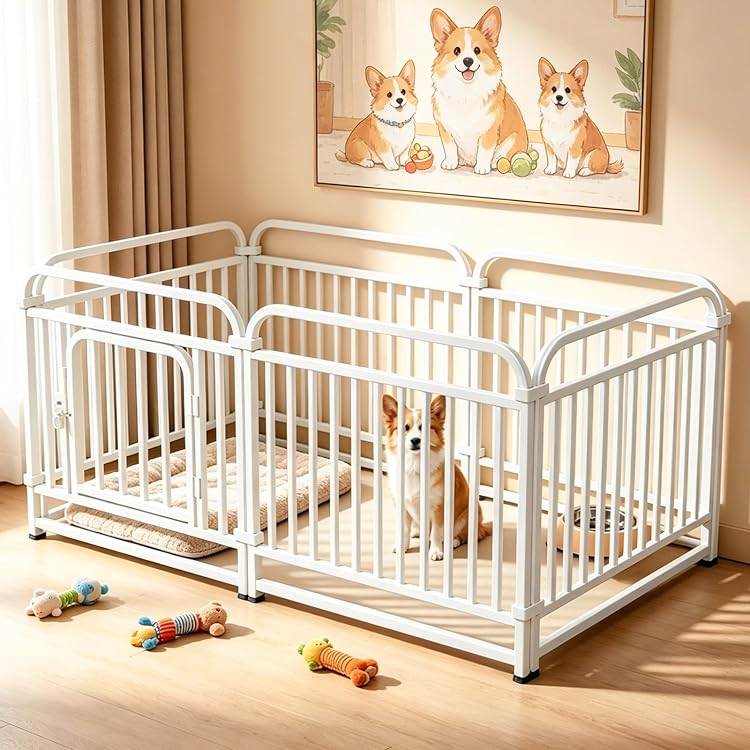
Cafgernt LOY-96GJ 6-Panel Metal Dog Playpen
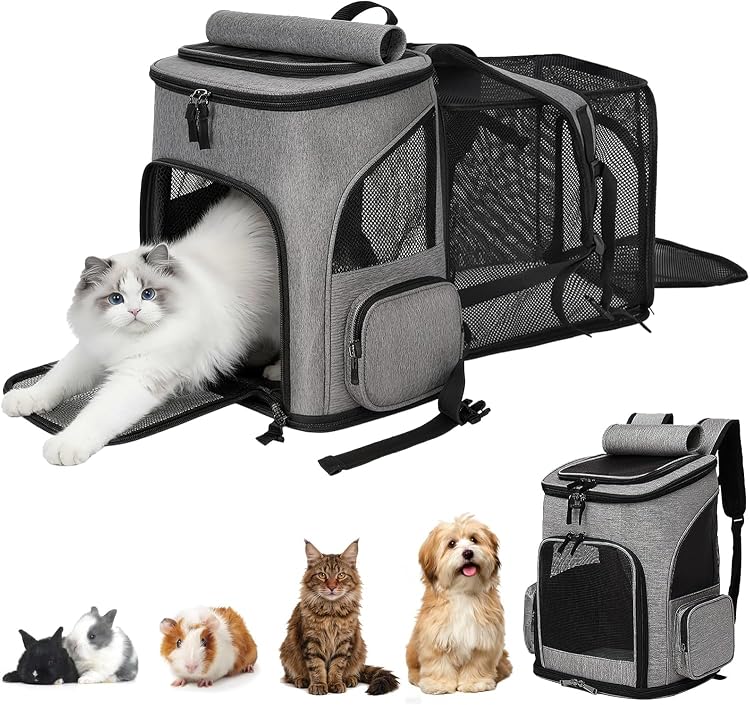
Sonvujunk Expandable Cat Carrier Backpack
Top deals in Pet Carriers & Cages
Big discounts across a variety of models and stores.
Sonvujunk Expandable Cat Carrier Backpack
KEYDUACU CWB-2 Soft-Sided Pet Carrier, 53 × 30 × 32 cm
Luxshiny Wooden Bird Cage, Dark Red Dome Design
BEASTIE Dog Crate, 91 × 61 × 67 cm, 3 Doors
Viowey 072 Round Foldable Pet Playpen, 72 cm
Sonvujunk Expandable Cat Backpack Carrier, up to 12 kg
Catio 101-102 12-Panel DIY Pet Playpen
AN AMMAN AN-PET-88 20-Panel Modular Small Animal Playpen
Cafgernt LOY-96GJ 6-Panel Metal Dog Playpen
Catio 12-Panel Pet Playpen, 155 x 155 x 61 cm
Pet carriers and cages: choose an enclosure for the animal and situation
A carrier supports a journey; a cage or enclosure may have a different purpose and need much more space. Do not apply the same sizing rule to both. Start with species, dimensions, behaviour and duration of use, separating occasional transport from accommodation before comparing materials or folding designs.
Measure the animal and the internal space
Consult guidance appropriate to the species and allow the positions needed for that use. Exterior dimensions include walls, wheels or handles and may overstate usable space. A weight limit does not describe height, length or body shape. For an accommodation enclosure, allow movement, rest and resource placement, not merely enough room to fit. For small species, check bar spacing and possible escape or entrapment: a generic cage cannot suit every type of animal.
Match structure and ventilation to behaviour
A fabric carrier can be light and easy to store but unsuitable for an animal that chews, scratches or tries to escape. Rigid designs simplify some cleaning and retain their shape; barred cages leave the interior more exposed. Check fastenings, edges, stability and accessible surfaces. Ventilation must work in the enclosure's actual position too. Do not block ventilation openings to manage nervousness.
Verify the journey's requirements
For cars, distinguish transport products from those with specific restraint or protection documentation; a handle does not demonstrate crash resistance. Consult the intended installation rather than improvising fixings. For flights or other transport, confirm the operator's requirements for the particular route and animal before purchasing. Rules can change and no size is accepted universally. Consider access, the ability to check the animal and handling the combined weight throughout the journey, including any transfers.
Plan familiarisation, hygiene and use limits
Allow gradual familiarisation appropriate to the animal rather than using the enclosure as punishment. Check removable bases, washable materials and complete drying; residues or moisture complicate the next use. Inspect locks and wear before travelling. A prolonged stay creates different needs from a short journey. Seek a veterinarian or competent welfare specialist when health or suitability is uncertain. This category excludes aquariums and terrariums, whose environmental requirements are different from these transport and enclosure products.