Wine
Products · Wine
9 active deals
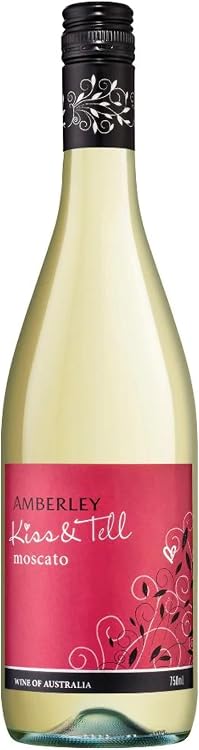
Amberley Kiss and Tell Moscato White Wine, 750 ml
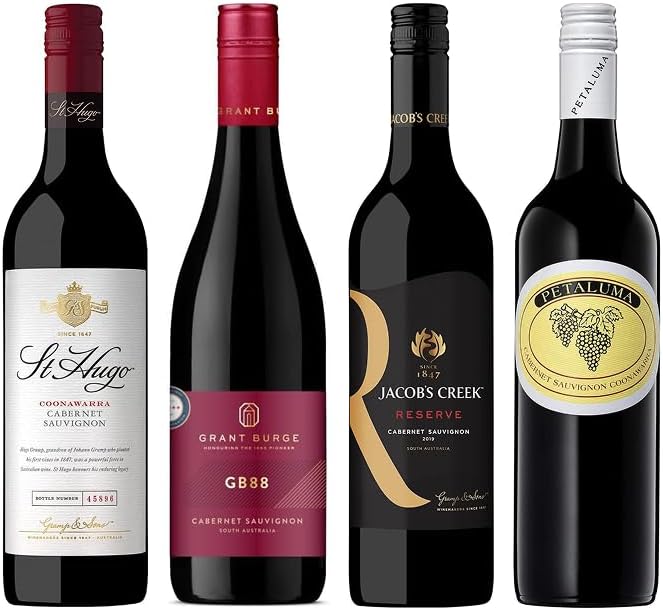
Grant Burge Cabernet Sauvignon Discovery Bundle, 4 Bottles
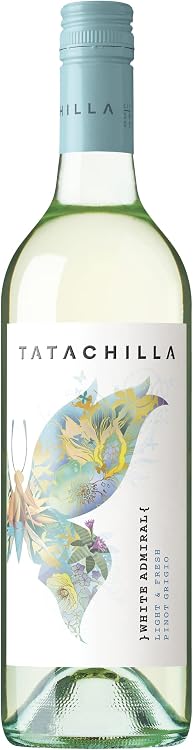
Tatachilla White Admiral Pinot Grigio, 750 ml
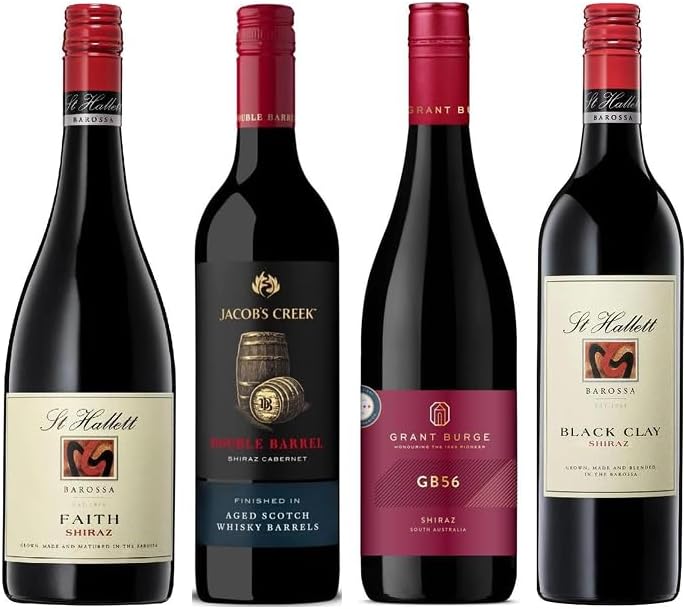
St Hallett Shiraz Discovery Bundle (4 Bottles)
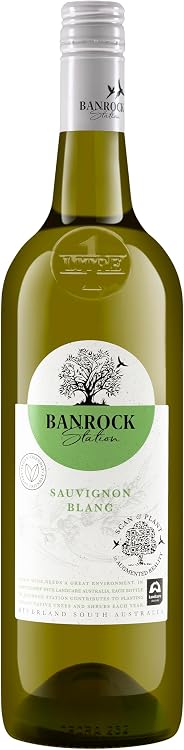
Banrock Station Sauvignon Blanc White Wine, 1 Litre
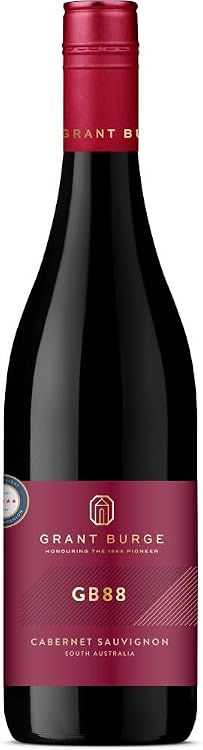
Grant Burge GB88 Cabernet Sauvignon, 750 ml
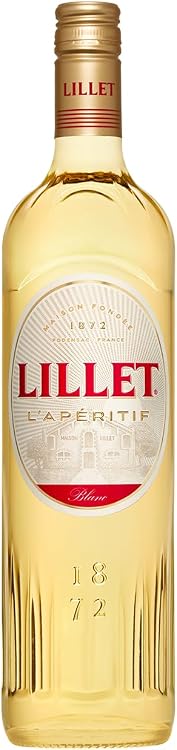
Lillet Aperitif Blanc 750ml
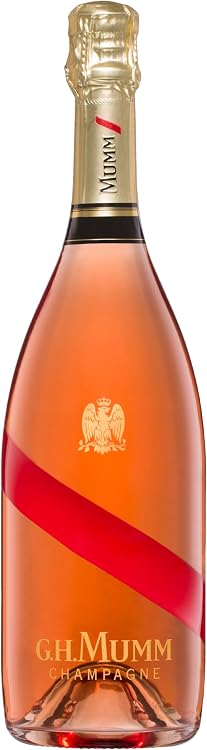
G.H. Mumm Grand Cordon Rosé Champagne 750ml
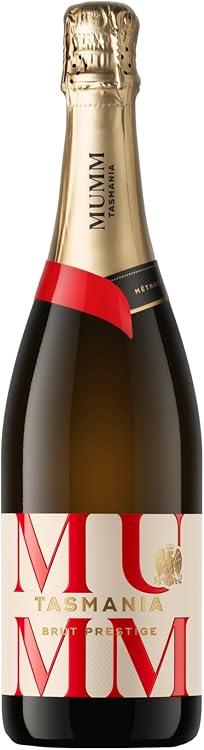
Mumm Tasmania Brut Prestige 750ml
Top deals in Wine
Big discounts across a variety of models and stores.
Amberley Kiss and Tell Moscato White Wine, 750 ml
Mumm Tasmania Brut Prestige 750ml
Lillet Aperitif Blanc 750ml
Tatachilla White Admiral Pinot Grigio, 750 ml
G.H. Mumm Grand Cordon Rosé Champagne 750ml
Banrock Station Sauvignon Blanc White Wine, 1 Litre
Wine: choose sweetness, structure and a practical serving format
Wine is easier to choose when you describe what you want in the glass rather than chase a prestigious label. A light, acidic wine meets a different preference from a full-bodied, tannic or sweet one. Establish that starting point, then consider food, packaging and the storage conditions you can actually provide.
Separate fruit aromas, sweetness, acidity and tannins
Ripe-fruit aromas do not mean a wine is sweet. Look for sweetness information where available and distinguish acidity, which brings a fresh sensation, from tannins, which can leave the mouth feeling dry.
Red, white, rosé and sparkling are broad families, not complete profiles. A red can be light and a white full-bodied. With sparkling wines, check the label's sweetness category rather than assuming similar names mean the same thing in every market.
Treat grape and origin as clues, not promises
Variety, region and winemaking help position a profile but do not determine the result on their own. Oak ageing may add toasted or spicy notes; it does not establish superiority over wine made without it.
The vintage identifies the harvest, not a guarantee that the wine should be kept. For drinking soon, seek a description that matches your tastes. Medals, prestigious terms and high prices do not replace information on body, acidity and style.
Consider the whole dish
Sauce, roasting and spices may matter more than the rule of red with meat and white with fish. A mushroom dish can suit different profiles depending on whether its sauce is light or creamy. Avoid letting a very intense wine overwhelm delicate flavours.
- With dessert, check that its sweetness will not make the wine seem excessively acidic.
- For spicy food, consider whether high alcohol or tannin might feel less agreeable.
- Several bottles are not necessary for a reasonable match.
Choose packaging for the amount you will open
Small bottles reduce the volume opened; large ones need more planning. Bag-in-box packaging may allow separate servings, but its life after opening depends on the specific product rather than a general guarantee.
A screw cap does not indicate inferiority, and cork does not ensure ageing potential. Compare price per litre and closure requirements. Check declared alcohol strength and allergens, such as sulphites, instead of inferring them from the wine type.
Plan storage and drinking without pressure
Avoid heat, light and sudden temperature changes. Long-term storage requires a wine intended for it and suitable conditions; age alone does not improve a wine. Once opened, reseal it, follow refrigeration recommendations and use an appropriate sparkling-wine stopper where needed.
Do not finish a bottle simply to avoid waste; choose a smaller format next time. Drinking alcohol is optional, not a health measure. Do not drink before driving, avoid alcohol during pregnancy, and keep consumption moderate if you choose to drink. Consult the legal purchasing conditions and minimum age required for that product at the place of sale.