Health Monitors
Products · Health Monitors
5 active deals
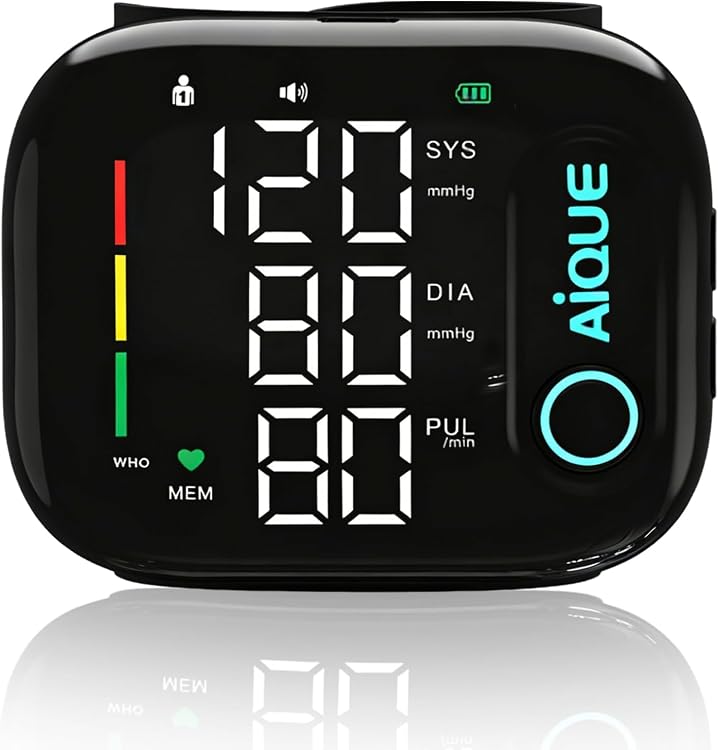
DCTIWES Wrist Blood Pressure Monitor, Dual-User Memory
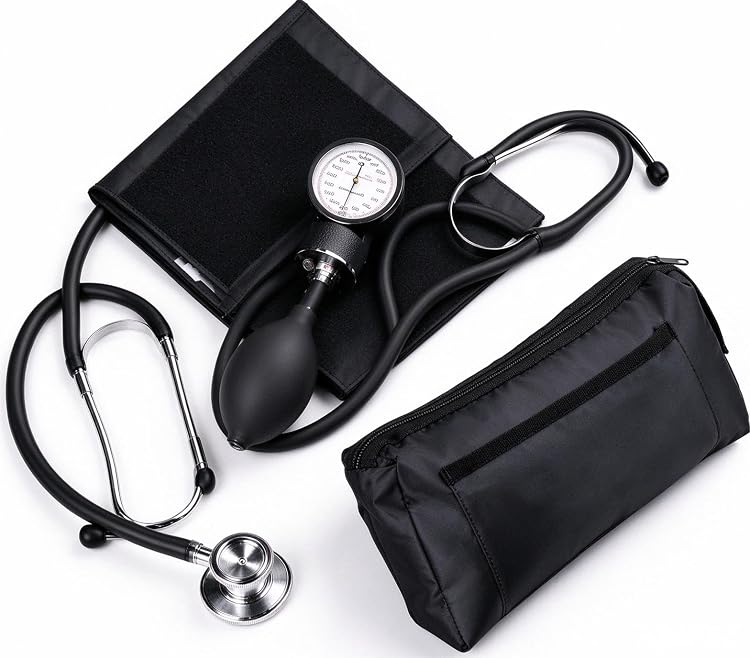
Forpmon XG20260823XYY Manual Aneroid Blood Pressure Monitor Kit
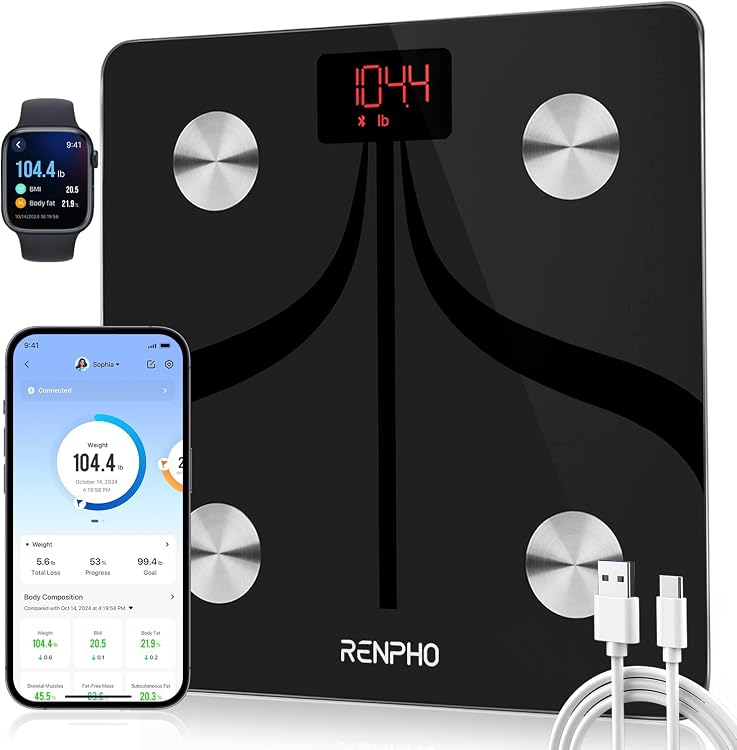
RENPHO ES-30M-US Rechargeable Smart Body Fat Scale
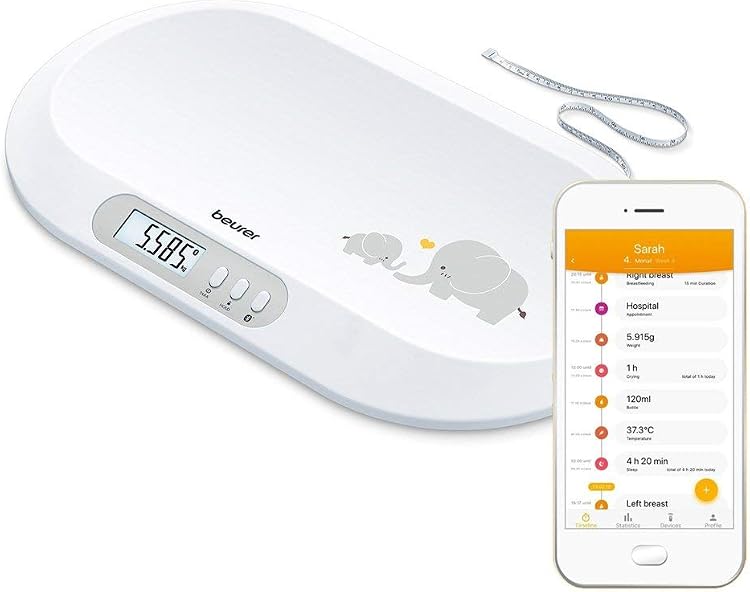
Beurer BY90 Baby Scale, Model 956.06
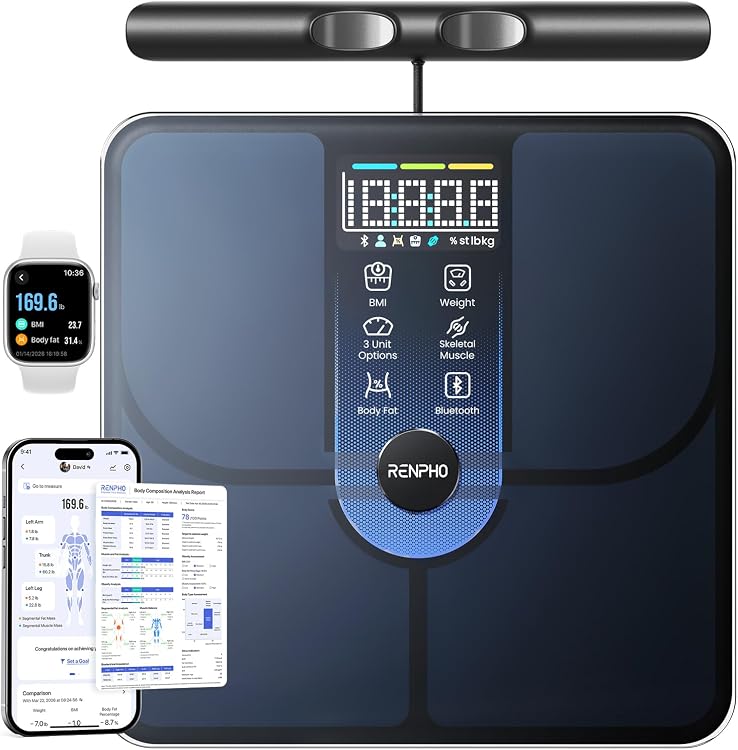
RENPHO MorphoScan Lite Body Composition Scale with Handle
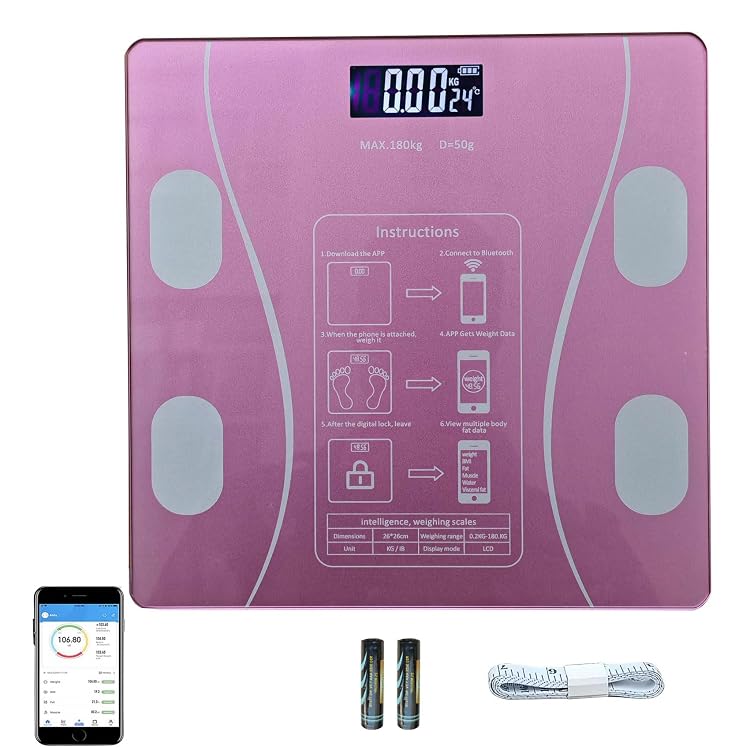
REDPINGUO Smart Body Scale, Pink
Deal ended
View product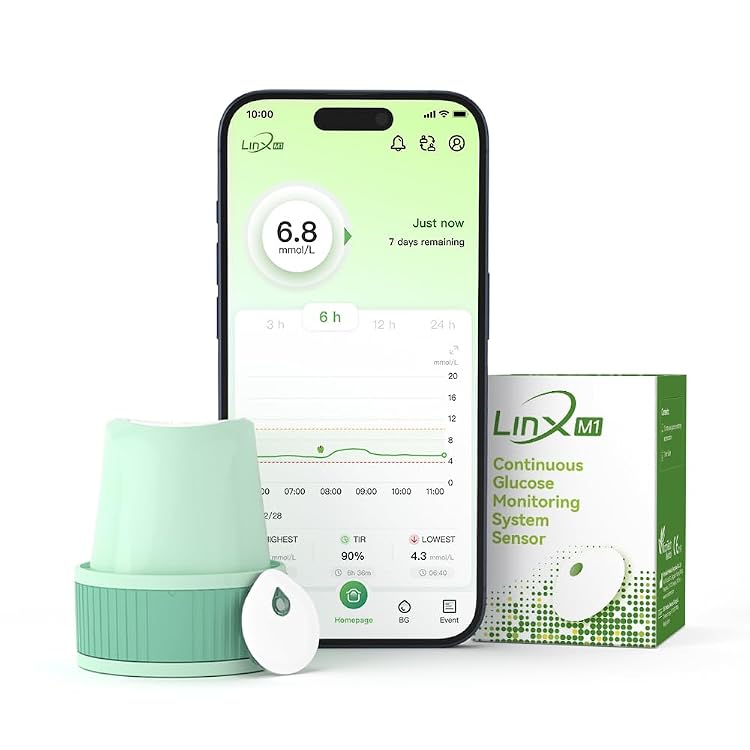
MicroTech Linx M1 Continuous Glucose Monitor
Deal ended
View product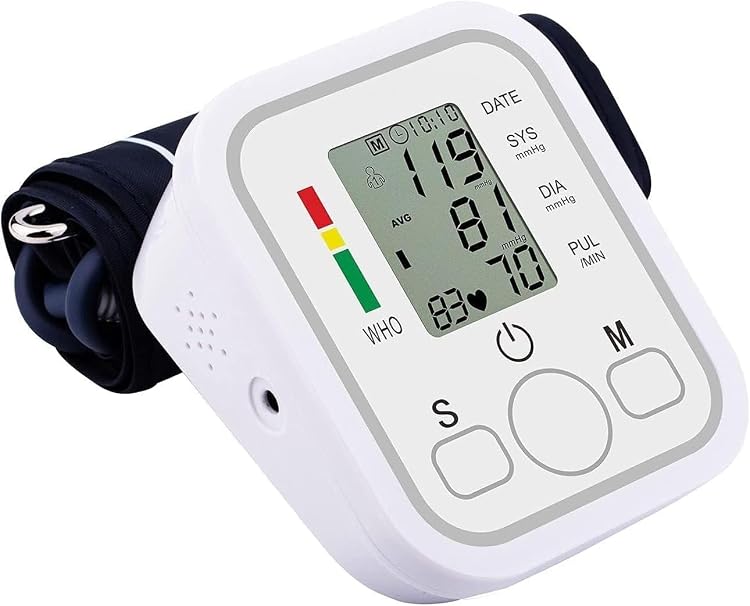
YIGEEGOOD Upper Arm Blood Pressure Monitor, Voice, 2 Users, 99 Memories
Deal ended
View product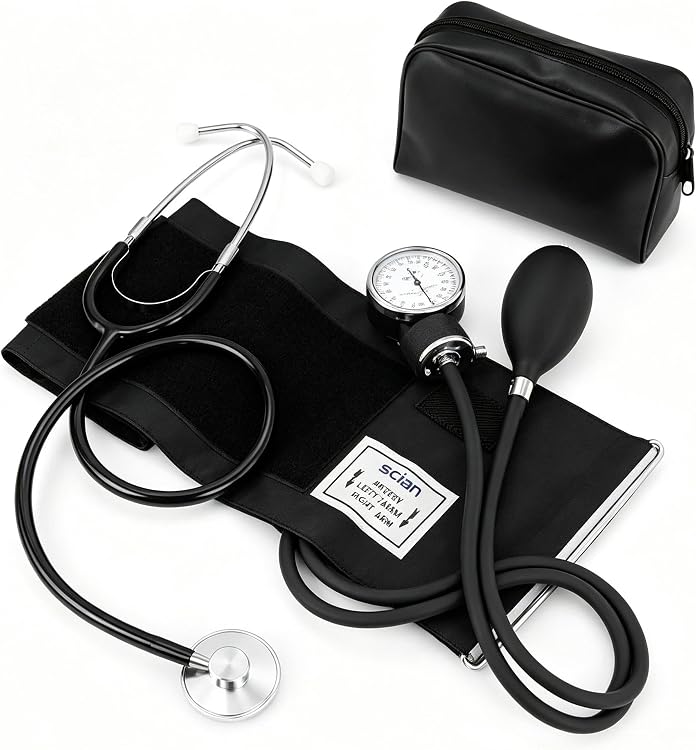
DCTIWES PBB26042311BH-1 Manual Blood Pressure Monitor Kit
Deal ended
View product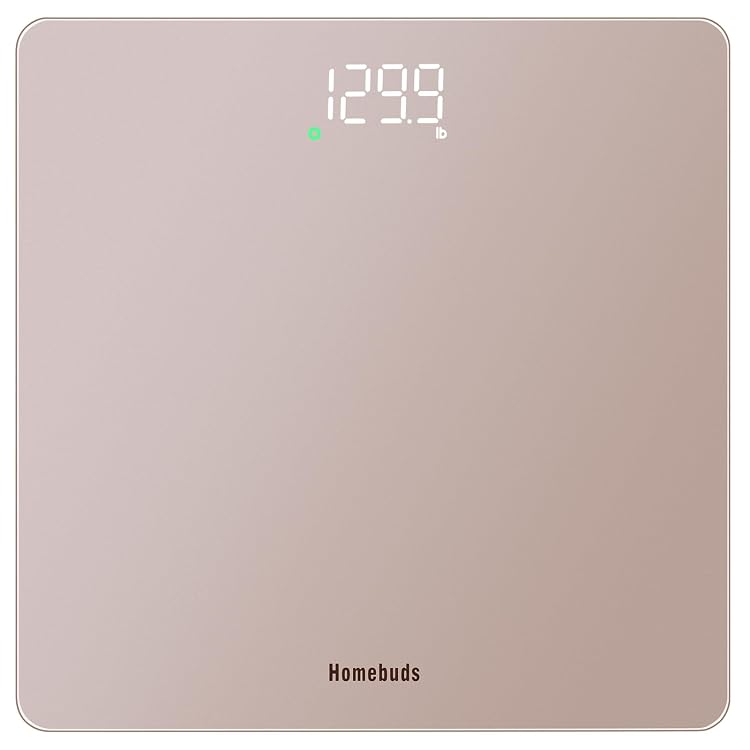
HOMEBUDS HB9057 Digital Bathroom Scale, 182kg, Rose Gold
Deal ended
View productHealth monitors: choose the device, fit and record
Choose a measuring device for the information needed and its intended use, not how many figures it displays. Blood-pressure monitors, pulse oximeters and other meters have different limitations. Smartwatches are excluded. If monitoring is part of medical care, ask the responsible professional which device and record are appropriate.
Purpose and evidence for the specific model
Distinguish medically intended products from wellness or sports devices. Check identifiable manufacturer, instructions, indications and documentation required in your market. A familiar brand does not validate every model, and marketing badges do not replace appropriate evaluation evidence. If validation is claimed, find out which model and population it covers. Do not assume suitability for children or other particular needs from a general product description.
Blood pressure: the cuff is part of selection
Check the cuff circumference range and availability of compatible sizes. A large display cannot compensate for an accessory that does not fit. Upper-arm and wrist devices have different usage requirements; ask which suits your situation before choosing compactness. Separate memories help distinguish multiple users' records, but review user selection to avoid mixing results. The measurement accessory matters as much as the main unit's features.
Oximeters and other sensors: visible limitations
For pulse oximeters, sensor size and intended population matter. Movement, perfusion conditions and other factors can affect readings; the manufacturer should explain limits. For thermometers and other meters, compare measurement location and required consumables rather than advertised speed alone. A home result does not establish a diagnosis. With worrying symptoms, an apparently normal reading should not be used to delay care or dismiss the situation.
Read, keep and share without hidden dependencies
Check legibility, controls, power and cleaning of contact parts. If an app is offered, distinguish independent operation, export, accounts and personal-data handling. Sharing records is useful only when units, dates and person remain correct. Review replacements and service before purchase. Follow device instructions and professional guidance for use and interpretation; this guide gives no thresholds, diagnoses or treatment changes. Connectivity should support, not obscure, the record you need.